
Embarking on the journey of finding the right roofing and siding contractor can be daunting. With so many factors to consider and questions to ask, it's crucial to arm yourself with the necessary knowledge. Let's dive into the key aspects you need to know before making that crucial decision.
Factors to Consider Before Hiring a Roofing and Siding Contractor
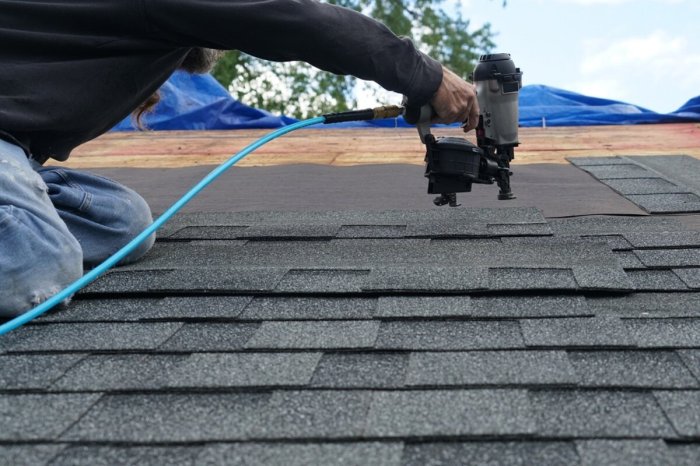
When looking to hire a roofing and siding contractor, there are several key factors that you should consider to ensure you make the right choice for your home. From checking for licensing and insurance to reviewing past work and references, each step plays a crucial role in the decision-making process.
Importance of Checking for Licensing and Insurance
Before hiring a roofing and siding contractor, it is essential to verify that they are licensed and insured. A licensed contractor indicates that they have met the necessary requirements to operate in your area, while insurance provides protection in case of any accidents or damages during the project.
Significance of Reviewing Past Work and References
One way to gauge the quality of work provided by a contractor is to review their past projects and references. By seeing examples of their work and speaking to previous clients, you can gain insight into the contractor's professionalism, craftsmanship, and reliability.
Benefits of Choosing a Local Contractor Over a National Chain
Opting for a local contractor offers several advantages, such as better knowledge of local building codes, quicker response times, and personalized service. Local contractors are also more invested in their reputation within the community, leading to a higher level of accountability.
Importance of Verifying Warranties and Guarantees
When selecting a roofing and siding contractor, it is crucial to verify the warranties and guarantees they offer for their work. Understanding the extent of coverage and duration of warranties can provide you with peace of mind and assurance that your investment is protected in the long run.
Questions to Ask During the Initial Consultation
When meeting with potential roofing and siding contractors, it is crucial to ask the right questions to ensure a successful project outcome. Here are some key inquiries to make during the initial consultation:
Contractor's Experience with Similar Projects
It is essential to inquire about the contractor's experience with projects similar to yours. Ask for examples of past projects, references, and how they handled any challenges that arose. A contractor with relevant experience is more likely to deliver quality work.
Materials and Techniques Used
Discussing the materials and techniques the contractor plans to use is vital for understanding the quality of work you can expect. Inquire about the type of materials they recommend, their durability, energy efficiency, and the methods they will employ during the installation process.
Project Timeline and Potential Delays
Understanding the project timeline and the potential for delays is crucial for managing expectations. Ask the contractor for an estimated timeline for the project, including start and completion dates. Inquire about possible factors that could cause delays, such as weather conditions or material availability.
Cleanup Process After Project Completion
Discussing the cleanup process after the completion of the project is essential to ensure your property is left in good condition. Inquire about how the contractor plans to handle debris removal, waste disposal, and any post-installation cleanup services they provide.
A clear understanding of the cleanup process will help prevent any misunderstandings or disputes later on.
Communication and Contract Clarity
Clear communication channels and detailed contracts are essential for a successful roofing and siding project.
Importance of Clear Communication Channels
Having open and transparent communication with your roofing and siding contractor is crucial throughout the project. It ensures that both parties are on the same page regarding timelines, expectations, and any potential issues that may arise.
Significance of a Detailed Written Contract
A detailed written contract is a key component of any home improvement project. It should Artikel all aspects of the job, including materials to be used, project timeline, warranties, and total cost. This document serves as a reference point to avoid misunderstandings and disputes.
Tips to Avoid Hidden Costs in the Contract
- Request a breakdown of all costs, including materials, labor, permits, and any additional fees.
- Clarify who is responsible for any unexpected expenses that may arise during the project.
- Ensure that any changes to the initial scope of work are documented and agreed upon in writing before proceeding.
- Ask about potential extra charges for unforeseen circumstances, such as structural issues or inclement weather delays.
Clarity on Payment Schedules and Methods
Discussing payment schedules and methods upfront can help avoid confusion and ensure a smooth transaction process. Make sure the contract clearly specifies the total cost, deposit amount, progress payments, and the final payment upon completion. Agree on the payment method that works best for both parties, whether it's a check, credit card, or other options.
Quality Assurance and Guarantees
When hiring a roofing and siding contractor, ensuring quality assurance and guarantees are crucial for the success of your project. This involves understanding the measures in place to maintain quality throughout the process and the assurances provided for the work done.
Quality Control Measures
- Ask the contractor about their quality control measures during the project to ensure that the work meets industry standards and your expectations.
- Quality control measures can include regular inspections, use of high-quality materials, and adherence to best practices in installation.
- By understanding the quality control process, you can have peace of mind knowing that your roofing and siding project is in good hands.
Warranties and Guarantees
- Discuss the warranties provided for the work done, including both materials and labor, to protect your investment.
- Warranties can vary in length and coverage, so make sure to clarify any doubts and ensure you have the necessary protection.
- Choosing a contractor who offers strong warranties demonstrates their confidence in their workmanship and commitment to customer satisfaction.
Post-Installation Inspections
- Consider selecting a contractor who offers post-installation inspections to ensure that the work has been completed to your satisfaction.
- Post-installation inspections can help identify any issues early on and address them promptly, preventing future problems.
- Regular inspections also allow for any necessary adjustments or repairs to be made before they escalate into more significant issues.
Guarantees Against Defects
- Ensure that the contractor provides guarantees against defects or issues that may arise post-installation, giving you added protection and peace of mind.
- Guarantees against defects show the contractor's commitment to standing behind their work and resolving any issues that may occur.
- Having guarantees in place can save you time and money in the long run by addressing any potential issues promptly and effectively.
Closing Summary
As we wrap up our discussion on what to ask before hiring a roofing and siding contractor, remember that knowledge is power. By being informed and asking the right questions, you can ensure a smooth and successful home improvement project.
Common Queries
What should I ask about licensing and insurance?
Ensure the contractor is licensed and insured to protect yourself from liability in case of any accidents or damages during the project.
How important is it to inquire about the cleanup process?
Knowing how the contractor plans to clean up after the project is vital to avoid any mess or debris left behind on your property.
Why is clear communication essential during the project?
Clear communication ensures that both parties are on the same page, reducing the chances of misunderstandings or mistakes.
What are the benefits of post-installation inspections?
Post-installation inspections help catch any issues early on and ensure that the work was done to the expected standards.