
Top Roofing Materials Used Around the World sets the stage for this enthralling narrative, offering readers a glimpse into a story that is rich in detail and brimming with originality from the outset. From asphalt shingles to metal roofing and clay tiles, this guide delves into the top roofing materials used globally, their characteristics, advantages, and disadvantages.
As we explore the popularity of asphalt shingles, the benefits of metal roofing, and the durability of clay tiles, readers will gain a deeper understanding of the diverse roofing options available worldwide.
Types of Roofing Materials
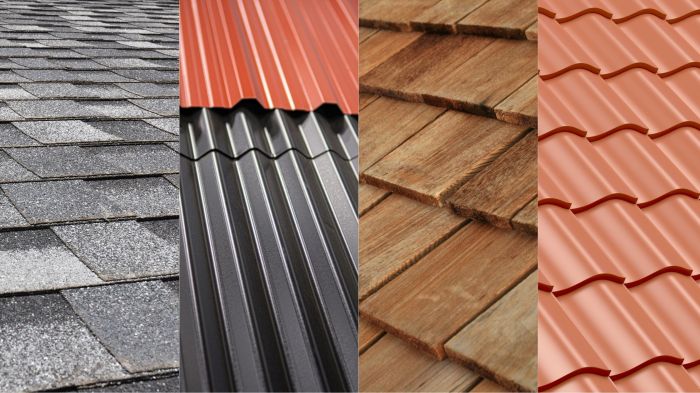
The choice of roofing material is crucial in determining the durability and aesthetics of a building. Different types of roofing materials are used around the world, each with its own set of characteristics, advantages, and disadvantages.
Asphalt Shingles
Asphalt shingles are one of the most popular roofing materials globally due to their affordability and ease of installation. They come in a variety of colors and styles, making them a versatile option for different architectural designs. However, asphalt shingles have a shorter lifespan compared to other materials and may require more frequent maintenance.
Metal Roofing
Metal roofing is known for its durability and longevity, making it a popular choice for both residential and commercial buildings. It is resistant to fire, mildew, and insects, and can withstand extreme weather conditions. On the downside, metal roofing can be noisy during rain or hailstorms and may be more expensive than other materials.
Clay Tiles
Clay tiles are a timeless roofing material that adds a touch of elegance to any structure. They are durable, resistant to fire, and have excellent insulation properties. However, clay tiles are heavy, which may require additional structural support, and they can be fragile and prone to cracking if not installed properly.
Slate Roofing
Slate roofing is known for its natural beauty and exceptional durability. It can last for decades with minimal maintenance and is resistant to fire and mold. However, slate roofing is one of the most expensive options available and requires skilled professionals for installation and repairs.
Wood Shakes
Wood shakes offer a rustic and natural look to a building, making them a popular choice for cabins and cottages. They are eco-friendly and provide good insulation properties. However, wood shakes are prone to rot, mold, and insect infestations, requiring regular maintenance to prolong their lifespan.
Asphalt Shingles
Asphalt shingles are one of the most popular roofing materials used around the world due to their affordability, durability, and ease of installation. They are commonly chosen by homeowners and contractors alike for their versatility and aesthetic appeal.
Popularity of Asphalt Shingles
Asphalt shingles have gained popularity in the roofing industry because of their cost-effectiveness and wide range of colors and styles available. They are relatively easy to install, making them a preferred choice for many residential properties. Additionally, asphalt shingles are known for their durability and ability to withstand various weather conditions.
Installation Process of Asphalt Shingles
The installation process of asphalt shingles typically involves preparing the roof deck, applying an underlayment for waterproofing, and then laying the shingles in rows starting from the bottom up. Each shingle is nailed down securely to ensure proper sealing and protection against wind and rain.
The process is straightforward and can be completed efficiently by experienced roofing professionals.
Longevity of Asphalt Shingles
When properly installed and maintained, asphalt shingles can last anywhere from 15 to 30 years, depending on the quality of the shingles and the climate of the area. While asphalt shingles may not have the same lifespan as some other roofing materials like metal or tile, they offer a cost-effective solution that provides reliable protection for many years.
Regular inspections and maintenance can help extend the longevity of asphalt shingles and ensure optimal performance.
Metal Roofing
Metal roofing is a popular choice for both residential and commercial buildings due to its durability, longevity, and aesthetic appeal. This type of roofing is known for its ability to withstand harsh weather conditions, such as strong winds, heavy rain, and snow.Metal roofing comes in various options, including steel, aluminum, copper, and zinc.
Each material has its unique characteristics, such as steel being the most common choice for its affordability and durability, while copper is favored for its elegant appearance and long lifespan.
Benefits of Metal Roofing
Metal roofing offers numerous benefits, such as:
- Longevity: Metal roofs can last 50 years or more, outlasting other roofing materials.
- Energy efficiency: Metal roofs reflect solar heat, reducing cooling costs in warmer climates.
- Low maintenance: Metal roofs require minimal maintenance and are resistant to mold, mildew, and pests.
- Environmentally friendly: Metal roofing materials are often recyclable and can be made from recycled materials.
Environmental Impact
Metal roofing is considered an environmentally friendly option due to its recyclability and energy efficiency. The production of metal roofing materials may have a higher initial environmental impact compared to other materials, but this is often offset by the long lifespan and recyclability of metal roofs.
Additionally, metal roofs can be energy efficient, reducing the overall carbon footprint of a building.
Clay Tiles
Clay tiles have been used as a roofing material for centuries, known for their durability and aesthetic appeal. They are often seen in Mediterranean and Spanish-style architecture, adding a touch of elegance to buildings.Clay tile roofs require minimal maintenance, making them a popular choice for homeowners seeking a long-lasting roofing solution.
Regular inspections for cracked or broken tiles, as well as cleaning of debris, are typically all that is needed to keep a clay tile roof in good condition.
Maintenance Requirements
- Regular inspections for cracked or broken tiles
- Cleaning of debris to prevent clogging of drainage systems
- Applying a protective coating to enhance durability
Durability Comparison
Clay tiles are known for their longevity, with a lifespan of 50 years or more when properly maintained. In comparison to other roofing materials like asphalt shingles, clay tiles are more resistant to harsh weather conditions, including wind, rain, and UV exposure.
This durability factor makes clay tiles a cost-effective choice in the long run, despite their higher initial installation cost.
Final Summary
In conclusion, Top Roofing Materials Used Around the World provides a comprehensive overview of the top roofing materials, offering insights into their features and usability. Whether you're considering asphalt shingles, metal roofing, or clay tiles for your next project, this guide equips you with the knowledge to make an informed decision.
Dive into the world of roofing materials with confidence and explore the endless possibilities for your residential or commercial buildings.
FAQ Explained
What are the most common types of roofing materials used globally?
The top roofing materials used around the world include asphalt shingles, metal roofing, and clay tiles.
What are the advantages of metal roofing?
Metal roofing is known for its durability, longevity, and environmentally friendly properties.
How long do asphalt shingles typically last compared to other roofing materials?
Asphalt shingles generally have a lifespan of 20-30 years, which is shorter compared to metal roofing that can last 50 years or more.