As you dive into the realm of Best New Windows Near You: 2025 Buying Guide, a world of possibilities and innovations awaits. The journey ahead promises to unveil the latest trends, technologies, and considerations when it comes to selecting the perfect windows for your space.
Get ready to discover a wealth of information that will guide you towards making the best choices for your home.
Factors to Consider When Choosing New Windows
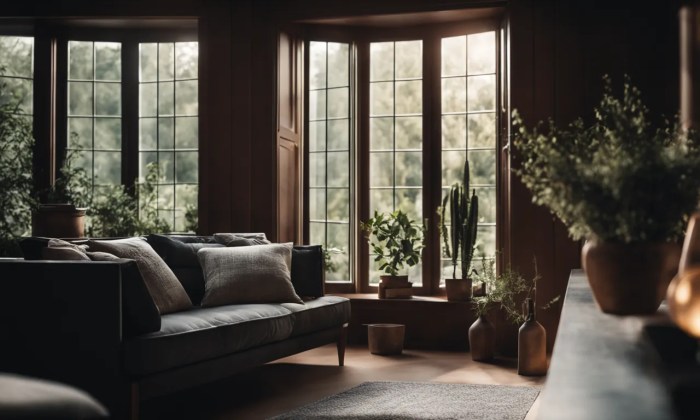
When selecting new windows for your home, there are several important factors to consider that can impact energy efficiency, durability, and overall performance. From the materials used to the style and glazing options, each aspect plays a crucial role in the functionality and aesthetics of your windows.
Importance of Energy Efficiency
Energy efficiency is a key consideration when choosing new windows as it can help reduce heating and cooling costs while minimizing your carbon footprint. Look for windows with high energy performance ratings, such as ENERGY STAR certified products, to ensure optimal insulation and energy savings.
Benefits of Different Window Materials
There are various window materials available, each with its own benefits:
- Vinyl: Low maintenance, cost-effective, and excellent insulation properties.
- Wood: Classic look, natural insulation, and customizable finishes.
- Fiberglass: Durable, low maintenance, and strong insulation capabilities.
Comparison of Window Styles
When it comes to window styles, consider the following options:
- Single-hung: Traditional style with a fixed top sash and operable bottom sash.
- Double-hung: Both sashes are operable for better ventilation and easier cleaning.
- Casement: Hinged on the side for a tight seal and unobstructed views.
Impact of Window Glazing
Window glazing plays a crucial role in insulation and soundproofing:
- Single-pane: Basic insulation with minimal soundproofing properties.
- Double-pane: Improved insulation and soundproofing with a sealed space between two glass panes.
- Triple-pane: Maximum insulation and soundproofing with three glass panes and two sealed spaces.
Latest Technological Advancements in Windows
Windows have come a long way from being just pieces of glass to sophisticated technological marvels. Let's dive into some of the latest advancements that are shaping the future of windows.
Smart Window Technologies
Smart windows are revolutionizing the way we interact with our living spaces. Self-tinting windows, also known as dynamic windows, use electrochromic or thermochromic technology to adjust the amount of light and heat that enters a room. This not only enhances comfort but also helps in reducing energy costs by managing the interior temperature more efficiently.
Nanotechnology for Self-Cleaning Windows
Thanks to nanotechnology, self-cleaning windows are now a reality. By incorporating nano-coatings on the glass surface, these windows can repel dirt, dust, and water, keeping them clean without the need for frequent washing. This not only saves time and effort but also ensures that your windows remain crystal clear for longer periods.
Integration of Sensors for Automated Operation
Modern windows are equipped with sensors that can detect changes in light, temperature, and humidity. These sensors enable automated window operation, allowing windows to open or close based on pre-set conditions. This not only enhances convenience but also promotes better indoor air quality and energy efficiency.
UV-Blocking and Anti-Glare Properties
Windows with UV-blocking and anti-glare properties are becoming increasingly popular due to their ability to protect interiors from harmful UV rays and reduce glare. These features not only safeguard your furniture and artwork from fading but also provide a more comfortable and visually pleasing environment inside your home or office.
Installation Process and Considerations
When it comes to installing new windows, there are several key factors to consider to ensure a successful and long-lasting outcome. From measuring the windows correctly to choosing between professional installers and DIY methods, each step plays a crucial role in the overall process.
Measuring Windows for Replacement
Properly measuring your windows is essential to ensure a perfect fit for the replacement. Measure both the width and height of the window opening, accounting for any discrepancies in size. It is recommended to measure at least twice to avoid errors that could lead to ill-fitting windows.
Importance of Proper Sealing and Insulation
Proper sealing and insulation are vital to prevent air leakage and maintain energy efficiency in your home. Make sure to use high-quality sealants and insulation materials to create a tight seal around the window frame. This not only improves energy efficiency but also helps to prevent moisture buildup and drafts.
Professional Installers vs. DIY Window Replacement
While DIY window replacement can be cost-effective, hiring professional installers ensures a precise and efficient installation process. Professionals have the necessary skills and experience to handle the job effectively, reducing the risk of errors and ensuring a seamless finish. Consider your level of expertise and the complexity of the installation before deciding between the two options.
Tips for Maintaining Newly Installed Windows
To prolong the lifespan of your newly installed windows, regular maintenance is key. Keep the frames clean and free from debris, check for any signs of wear or damage, and lubricate moving parts as needed. Additionally, consider scheduling professional inspections and maintenance to address any issues early on and prevent costly repairs in the future.
Environmental Impact and Sustainability of New Windows

When considering new windows for your home, it is essential to evaluate the environmental impact and sustainability of different materials and manufacturing processes. Making an eco-friendly choice can not only benefit the environment but also contribute to a greener home and potentially lead to energy savings.
Eco-Friendliness of Window Materials
- Wood: Wood is a renewable resource, making it a sustainable option for windows. Look for wood from certified sustainable sources to ensure responsible harvesting practices.
- Vinyl: Vinyl windows are energy-efficient and durable, but their production process can have a higher carbon footprint compared to other materials.
- Aluminum: Aluminum is a highly recyclable material, but the production process can be energy-intensive. Opt for recycled aluminum windows to reduce environmental impact.
Energy Savings with Energy-Efficient Windows
- Energy-efficient windows, such as those with low-E coatings and multiple panes, can help reduce heat loss in winter and heat gain in summer, leading to lower energy bills.
- Proper installation and sealing of energy-efficient windows can also prevent drafts and improve overall energy efficiency in your home.
Recyclability and Disposal Considerations
- When replacing old windows, consider recycling the materials whenever possible. Wood and aluminum frames can often be recycled, reducing waste sent to landfills.
- Proper disposal of old windows is crucial to prevent environmental harm. Check with local recycling facilities for guidelines on window disposal.
Contribution to a Greener Home
- By choosing environmentally friendly window materials and energy-efficient designs, you can reduce your home's carbon footprint and contribute to a more sustainable living environment.
- Investing in new windows that prioritize energy efficiency and sustainability can also increase the overall value of your home and appeal to eco-conscious buyers in the future.
Final Summary
In conclusion, the exploration of Best New Windows Near You: 2025 Buying Guide has shed light on the crucial aspects to keep in mind while navigating the realm of window replacements. Armed with knowledge and insights, you are now equipped to make informed decisions that will enhance your living environment and contribute to a sustainable future.
FAQ Summary
What are the benefits of different window materials?
Each window material like vinyl, wood, or fiberglass offers unique advantages. For example, vinyl is low maintenance, wood provides a classic look, and fiberglass is durable and energy-efficient.
How can smart window technologies enhance my living space?
Smart windows with features like self-tinting or energy generation can improve energy efficiency, comfort, and convenience in your home.
Is it better to hire professional installers or opt for DIY window replacement?
While professional installers ensure proper sealing and insulation, DIY replacement can be cost-effective if you have the necessary skills and tools.
What environmental benefits do energy-efficient windows offer?
Energy-efficient windows help reduce energy consumption, lower utility bills, and minimize your carbon footprint, contributing to a greener home and planet.