Exploring the fascinating world of siding materials and their relationship with different regions and climates, this article delves into the factors that influence material choices, popular options in various areas, maintenance requirements, and sustainability considerations. Brace yourself for an informative journey through the diverse landscape of siding materials.
Factors influencing siding material choice
Regional climate and local building codes play a significant role in determining the best siding materials for a specific area. The durability of siding materials must also be considered based on the climate they will be exposed to.
Regional climate affects the choice of siding materials
In regions with high humidity or frequent rain, materials like vinyl or fiber cement siding are preferred due to their resistance to moisture damage. In contrast, areas with extreme temperature variations may benefit from the insulating properties of wood or engineered wood siding.
The climate dictates the need for materials that can withstand specific weather conditions over time.
Local building codes impact the selection of siding materials
Local regulations often mandate the use of fire-resistant or impact-resistant siding materials to ensure the safety and structural integrity of buildings. These codes guide homeowners and builders in choosing materials that meet specific requirements for a given region, influencing the selection of siding materials accordingly.
Importance of durability in siding materials based on different climates
Durability is crucial when selecting siding materials, especially in areas prone to harsh weather conditions. For example, in regions with high winds, materials like metal or fiber cement siding are preferred for their strength and longevity. Understanding the demands of the local climate helps homeowners make informed decisions about the durability of siding materials to ensure long-lasting protection for their homes.
Popular siding materials by region
In different regions and climates, the choice of siding materials can vary significantly based on factors like weather conditions, availability of materials, and architectural preferences.
Common siding materials used in hot and humid climates
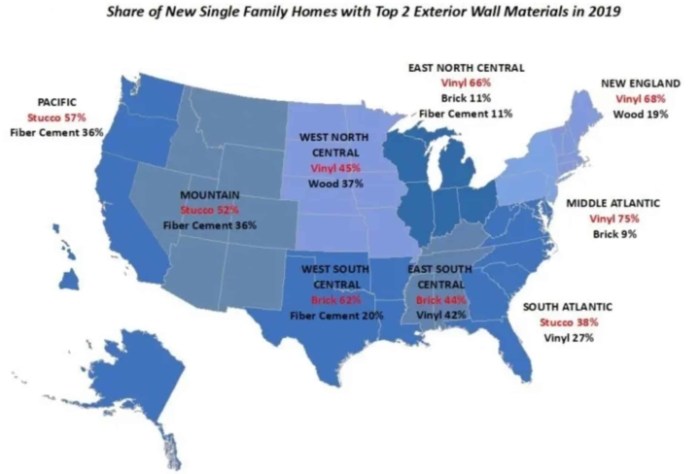
In hot and humid climates, where moisture and heat are prevalent, materials like stucco, fiber cement, and brick are popular choices for siding. These materials are durable, resistant to mold and mildew, and can withstand the harsh conditions of these regions.
Benefits of vinyl siding in cold climates
Vinyl siding is a popular choice in cold climates due to its ability to withstand extreme temperatures, resist moisture, and require minimal maintenance. It does not warp, rot, or crack in freezing temperatures, making it an ideal option for regions with cold winters.
Popularity of wood siding in coastal regions versus arid regions
Wood siding is commonly used in coastal regions due to its natural beauty, versatility, and ability to blend in with the coastal landscape. However, in arid regions where moisture is scarce, wood siding may be less popular due to the risk of drying out and cracking.
In such areas, materials like stucco or metal siding may be preferred for their durability and low maintenance requirements.
Maintenance requirements by climate
Metal siding in snowy regions requires regular maintenance to prevent rust and corrosion. Snow and ice can cause moisture to seep into the seams of the metal siding, leading to potential damage over time. Homeowners in snowy regions should inspect their metal siding regularly for any signs of wear and tear, and apply a protective coating as needed to prolong its lifespan.
Metal siding in snowy regions
- Regular inspections for signs of rust or corrosion
- Application of protective coating to prevent moisture penetration
- Clearing snow and ice buildup to prevent damage
Fiber cement siding is a durable option for areas prone to high winds. Its composition makes it resistant to warping, cracking, and chipping, even in extreme weather conditions. Homeowners in windy regions can benefit from the low maintenance requirements of fiber cement siding, as it typically only requires occasional cleaning to maintain its appearance.
Fiber cement siding in high-wind areas
- Resistant to warping, cracking, and chipping in high winds
- Low maintenance requirements, usually only requiring occasional cleaning
- Durable composition for long-lasting performance
UV exposure can have a significant impact on different siding materials in sunny regions. Materials like vinyl siding may fade or become brittle over time when exposed to prolonged sunlight. On the other hand, fiber cement and metal siding are more resistant to UV damage, making them ideal choices for sunny climates.
Homeowners in sunny regions should consider the UV resistance of siding materials when selecting the best option for their homes.
Impact of UV exposure on siding materials in sunny regions
- Vinyl siding may fade or become brittle with prolonged sunlight exposure
- Fiber cement and metal siding are more resistant to UV damage
- Consider the UV resistance of siding materials when choosing for sunny climates
Sustainability considerations
Natural stone siding is a popular choice for eco-friendly construction in various climates due to its sustainable properties. Natural stone is a renewable resource that can be locally sourced, reducing the carbon footprint associated with transportation. Additionally, stone is a durable material that requires minimal maintenance and has a long lifespan, reducing the need for frequent replacements.
Natural stone siding for eco-friendly construction
Natural stone siding is a sustainable choice for eco-friendly construction in various climates. Its durability and longevity make it a low-maintenance option that reduces the environmental impact of frequent replacements. Stone is also a renewable resource that can be locally sourced, minimizing transportation emissions.
Energy efficiency of insulated siding in extreme temperature regions
Insulated siding is highly energy efficient in extreme temperature regions, helping to reduce heating and cooling costs. The insulating properties of this type of siding help to maintain a consistent indoor temperature, reducing the reliance on heating and cooling systems.
This not only leads to energy savings but also lowers the carbon footprint associated with energy consumption.
Recyclability of siding materials and their environmental impact
When considering sustainability, it's important to look at the recyclability of siding materials and their overall environmental impact. Materials like aluminum siding can be recycled, reducing waste and conserving resources. Additionally, fiber cement siding is made from sustainable materials like wood pulp and cement, making it an eco-friendly option.
It's essential to choose siding materials that can be recycled at the end of their lifespan to minimize environmental impact.
Last Point
As we reach the end of this insightful discussion on how siding materials vary by region and climate, it becomes evident that the choice of siding is not just about aesthetics but also about practicality and durability. By understanding these factors, homeowners can make informed decisions that enhance the longevity and efficiency of their properties.
Question & Answer Hub
What are some common siding materials used in hot and humid climates?
Some common siding materials used in hot and humid climates include vinyl, stucco, and fiber cement due to their ability to withstand moisture and heat.
How does metal siding fare in snowy regions in terms of maintenance?
Metal siding in snowy regions requires regular maintenance to prevent rust and corrosion caused by exposure to moisture and salt. Proper cleaning and protective coatings are essential to prolong its lifespan.
Is wood siding a popular choice in coastal regions?
Wood siding is indeed a popular choice in coastal regions due to its natural aesthetic appeal and ability to complement the coastal landscape. However, it requires regular maintenance to prevent decay from moisture exposure.
Are insulated siding materials energy-efficient in extreme temperature regions?
Insulated siding materials provide enhanced energy efficiency in extreme temperature regions by improving insulation and reducing heat loss, ultimately leading to lower energy bills and increased comfort indoors.
How does UV exposure affect different siding materials?
UV exposure can cause fading, cracking, and deterioration in siding materials over time. While some materials like vinyl are more resistant to UV damage, others may require protective coatings or regular maintenance to mitigate the effects of sun exposure.