Delve into the world of interior decor mistakes that could potentially diminish the value of your home. From color mishaps to furniture faux pas, this article uncovers the crucial missteps homeowners should steer clear of.
Discover how seemingly innocent choices in decor can have a significant impact on the overall worth of your property.
Common Interior Decor Mistakes
When it comes to decorating interiors, some common mistakes can actually hurt the value of your home. Let's explore three of these mistakes and how they can be avoided to maintain or increase your home's value.
Ignoring Proper Lighting
One common mistake homeowners make is neglecting proper lighting in their interior decor. Poor lighting can make a space feel dark, small, and uninviting, ultimately reducing the perceived value of the home. To avoid this mistake, make sure to incorporate a variety of lighting sources such as overhead lights, lamps, and natural light.
Consider the use of light fixtures that complement the overall style of the room and aim for a balance of ambient, task, and accent lighting.
Overcrowding Spaces with Furniture
Another mistake that can negatively impact the value of a home is overcrowding spaces with furniture. Having too much furniture in a room can make it feel cramped and cluttered, giving the impression of limited space and functionality. To prevent this, carefully plan the layout of your furniture and only include pieces that are necessary for comfort and functionality.
Consider investing in multi-functional furniture pieces to maximize space without sacrificing style.
Ignoring the Importance of Cohesive Design
Lastly, ignoring the importance of cohesive design can be a detrimental interior decor mistake. Mixing too many styles, colors, and patterns without a sense of cohesion can make a space feel chaotic and disjointed, diminishing the overall appeal and value of the home.
To avoid this, establish a consistent color palette, style, and theme throughout your interiors. Ensure that your decor elements complement each other and work together harmoniously to create a cohesive and visually pleasing environment.
Color Choices
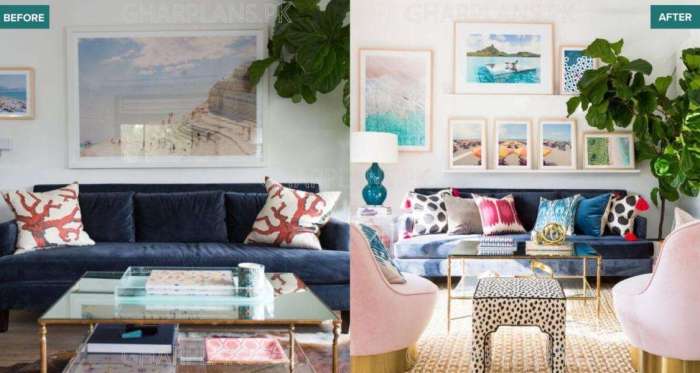
When it comes to interior decor, color choices play a crucial role in determining the overall look and feel of a home. The right colors can enhance the ambiance, create visual interest, and even increase the value of a property.
On the other hand, choosing the wrong colors can have a negative impact, making a space feel unappealing and potentially devaluing the home.
The Importance of Choosing the Right Colors
Color has the power to evoke emotions and influence the perception of a space. By selecting the right colors, you can create a harmonious and inviting environment that appeals to potential buyers and enhances the overall value of your home.
Tips for Using Colors Effectively
- Avoid using too many bold or bright colors, as they can overwhelm a space. Opt for a neutral base and add pops of color through accessories or accent walls.
- Consider the function of each room when choosing colors. For example, calming blues and greens are ideal for bedrooms, while energizing yellows and oranges work well in kitchens or dining areas.
- Take into account the natural light in a room when selecting colors. Dark shades can make a room feel smaller, while light colors can open up a space and make it feel more spacious.
- Don't be afraid to experiment with different color combinations, but always remember to create a cohesive color palette throughout your home for a sense of flow and continuity.
Furniture Placement
Proper furniture placement is crucial in interior design as it can greatly impact the overall look and feel of a space. The way furniture is arranged can affect the flow of a room, the functionality of the space, and even the perceived size of the area.Incorrect furniture layout can have a negative effect on a home's value.
For example, overcrowding a room with too much furniture can make it feel cramped and cluttered, reducing the appeal to potential buyers. On the other hand, placing furniture too far apart can make a room feel empty and uninviting, also affecting the perceived value of the property.To arrange furniture to maximize space and appeal, consider the following tips:
Maximizing Space and Appeal
- Start by determining the focal point of the room, such as a fireplace, a large window, or a piece of artwork. Arrange furniture around this focal point to create a cohesive and balanced layout.
- Avoid pushing furniture against the walls, as this can make the room feel disconnected and uninviting. Instead, try floating furniture away from the walls to create a more intimate seating arrangement.
- Consider the traffic flow in the room and ensure there are clear pathways for easy movement. Arrange furniture in a way that allows for comfortable circulation throughout the space.
- Use furniture to define different areas within a room, such as a seating area, a reading nook, or a dining space. This can help to create visual interest and make the room feel more dynamic.
- Experiment with different furniture arrangements until you find one that maximizes the space and enhances the overall aesthetic of the room.
Lighting Mistakes
Proper lighting plays a crucial role in enhancing the overall ambiance and perceived value of a home. However, certain lighting mistakes can have a negative impact on a property's worth.
Inadequate Lighting Fixtures
One common mistake is having inadequate lighting fixtures throughout the home. Insufficient lighting can make spaces feel dim and uninviting, ultimately lowering the perceived value of the property.
Harsh or Overhead Lighting
Using harsh or overhead lighting can create unflattering shadows and a stark atmosphere. This type of lighting can make rooms appear smaller and less cozy, detracting from the overall appeal of the home.
Mismatched Bulbs
Another mistake is using mismatched bulbs with different color temperatures. This can result in an inconsistent and unbalanced lighting scheme, disrupting the harmony of the space.
Solutions for Improving Lighting
- Consider layering different types of lighting, such as ambient, task, and accent lighting, to create a well-rounded and inviting atmosphere.
- Opt for adjustable fixtures that allow you to control the intensity and direction of light in each room.
- Choose bulbs with a consistent color temperature to ensure a cohesive and harmonious lighting scheme throughout the home.
- Utilize natural light whenever possible by keeping windows unobstructed and using light-colored window treatments to maximize brightness.
Final Summary
As we wrap up our exploration of interior decor mistakes, remember that attention to detail in your home design can truly make or break its perceived value. Take these insights to heart and elevate your living space with confidence.
General Inquiries
What are some common interior decor mistakes?
Common mistakes include overcrowding spaces, mismatched color schemes, and neglecting natural lighting.
How do color choices affect a home's value?
The wrong colors can make a space feel smaller or less inviting, ultimately lowering the perceived value of a home.
Why is furniture placement important in interior design?
Proper furniture arrangement can maximize space, flow, and functionality, contributing to a home's overall appeal and value.
What are some common lighting mistakes that devalue a home?
Examples include harsh overhead lighting, insufficient lighting in key areas, and a lack of lighting variety.