Exploring the realm of interior design in compact urban living spaces unveils a world of creativity and functionality. From clever storage solutions to innovative furniture choices, this guide delves deep into the art of optimizing small living areas with a touch of elegance.
As we navigate through the intricacies of furniture selection, lighting strategies, color palettes, and the incorporation of greenery, you'll discover how these elements can transform a compact space into a cozy haven that exudes personality and charm.
Importance of Interior Design in Compact Urban Living Spaces
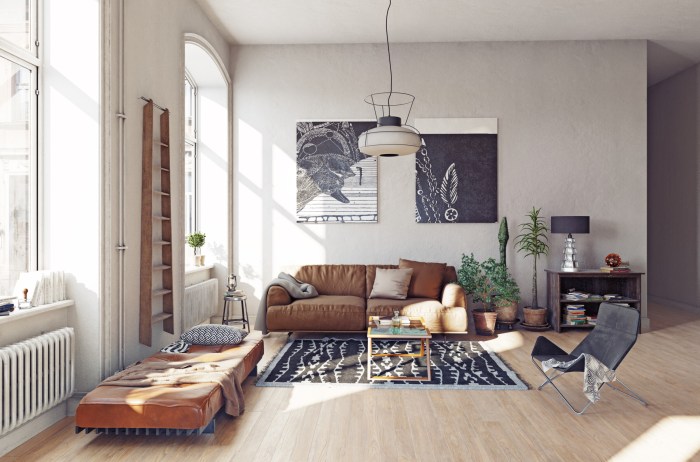
Interior design plays a crucial role in maximizing space efficiency in compact urban living spaces. By strategically planning the layout, furniture placement, and storage solutions, a small area can feel more spacious and functional. Here are some tips on how to make the most out of limited space:
Smart Storage Solutions
Utilize multi-functional furniture pieces such as storage ottomans, bed frames with built-in drawers, and wall-mounted shelves. Vertical storage options like tall bookcases or cabinets can help maximize space without taking up valuable floor space.
Creating a Functional and Aesthetically Pleasing Environment
Opt for light and neutral colors to make the space feel more open and airy. Mirrors can also be strategically placed to create the illusion of a larger room. Consider using furniture with clean lines and minimalistic designs to avoid cluttering the space.
Lastly, incorporating plants and natural elements can add a touch of freshness and life to the environment.
Furniture Selection for Small Urban Living Spaces
When it comes to furnishing small urban living spaces, the choice of furniture plays a crucial role in maximizing functionality and aesthetics. Selecting the right pieces can make a significant difference in how the space is utilized and perceived.
Significance of Choosing Multifunctional Furniture
- Opting for multifunctional furniture such as sofa beds, storage ottomans, or extendable dining tables can help save space by serving dual purposes.
- These versatile pieces not only provide essential functions but also contribute to a more organized and clutter-free environment in compact living areas.
- Maximizing the utility of each furniture item is key to making the most out of limited space without compromising on comfort or style.
Impact of Furniture Scale on Perception of Space
- Choosing furniture that is proportionate to the size of the room is essential for creating a sense of balance and openness.
- Oversized furniture can overwhelm a small space, making it feel cramped and claustrophobic, while small-scale furniture can help maintain a sense of flow and spaciousness.
- Opting for pieces with legs or raised bases can also visually expand the floor area by allowing light to pass through, creating the illusion of more space.
Ideas on Selecting Furniture that Complements Compact Living Areas
- Consider furniture with clean lines and minimalistic designs to prevent visual clutter and maintain a sleek look in small spaces.
- Choose pieces that match the layout of the room, such as modular or sectional sofas that can be configured to fit different arrangements.
- Utilize vertical space with tall bookcases or shelving units to maximize storage without taking up valuable floor area.
Lighting Strategies for Compact Urban Living Spaces
Effective lighting plays a crucial role in enhancing the perception of space in compact urban living areas. By strategically utilizing different lighting fixtures, both natural and artificial, you can create a sense of openness and brightness in a small space.
Types of Lighting Fixtures
- Overhead Lighting: Utilizing ceiling fixtures like recessed lights or track lighting can help illuminate the entire room evenly without taking up valuable floor space.
- Wall Sconces: These fixtures can add a decorative touch while providing ambient lighting, especially in areas where space is limited.
- Floor Lamps: Opt for slim and tall floor lamps that can brighten up dark corners without cluttering the room.
- Under-Cabinet Lighting: In the kitchen or study area, under-cabinet lighting can be a practical solution to enhance visibility without overwhelming the space.
Optimizing Natural Light
Maximizing natural light is essential in compact urban living spaces to create a sense of airiness and openness. Here are some tips to optimize natural light:
- Use Light-Colored Curtains: Choose sheer or light-colored curtains that allow sunlight to filter through, making the room feel brighter.
- Place Mirrors Strategically: Position mirrors opposite windows to reflect natural light and create the illusion of a larger space.
- Keep Windows Unobstructed: Avoid blocking windows with heavy furniture or decor to allow maximum natural light to enter the room.
Incorporating Artificial Lighting
Artificial lighting can fill in the gaps where natural light may not reach, enhancing the overall ambiance of the space. Here are some tips for incorporating artificial lighting effectively:
- Layer Lighting: Combine ambient, task, and accent lighting to create a balanced and well-lit environment.
- Dimmer Switches: Install dimmer switches to adjust the brightness of lights according to the time of day and desired mood.
- LED Lighting: Opt for energy-efficient LED bulbs to provide ample light while reducing electricity consumption in the long run.
Color and Decor Tips for Enhancing Small Living Spaces
Color and decor play a crucial role in transforming small living spaces, making them appear more spacious and inviting. The strategic use of color palettes and decor elements can significantly impact the overall look and feel of compact urban living areas.
Impact of Color Selection on Space Perception
When it comes to small living spaces, the choice of colors can make a big difference in how spacious a room feels. Lighter shades such as whites, pastels, and soft neutrals can create an illusion of space by reflecting light and making the room appear larger.
On the other hand, darker hues can add depth and coziness but may make the space feel more enclosed. It's important to strike a balance between light and dark tones to enhance the perception of space.
Role of Decor in Adding Personality
Decor elements like artwork, textiles, and accessories are key in adding personality and character to compact urban living areas. These elements can help define the style of the space and make it feel more inviting. Opt for decor pieces that reflect your personal taste and style while complementing the overall color scheme of the room.
Using Color Palettes and Decor Elements to Expand Space Visually
To visually expand a small space, consider using a monochromatic color scheme to create a sense of continuity and openness. Incorporate mirrors to reflect light and create the illusion of depth. Choose furniture with exposed legs to allow light to pass through and make the room feel more spacious.
Additionally, strategically placing decor elements like rugs, curtains, and artwork can draw the eye upwards and make the ceiling appear higher, further enhancing the sense of space.
Incorporating Greenery in Small Urban Homes
Adding greenery to small urban homes can bring numerous benefits, such as improved air quality, increased relaxation, and a touch of nature in indoor spaces.
Benefits of Incorporating Plants
- Enhances air quality by absorbing carbon dioxide and releasing oxygen.
- Creates a calming and relaxing atmosphere, reducing stress levels.
- Adds a pop of color and texture to the interior design, enhancing visual appeal.
Selecting Low-Maintenance Plants
When choosing plants for small living areas, opt for low-maintenance varieties that thrive indoors with minimal care requirements.
- Succulents and cacti are ideal for small spaces as they require infrequent watering.
- Spider plants and pothos are great choices for low-light conditions and are easy to care for.
- Air plants are unique and versatile, requiring only occasional misting to thrive.
Creative Ways to Integrate Greenery
Integrating greenery creatively can transform urban living spaces and bring a sense of freshness and life to the environment.
- Hanging planters or wall-mounted shelves can maximize vertical space and add greenery without taking up floor space.
- Clustering small plants on shelves or tables can create a mini indoor garden and add visual interest.
- Using large plants as focal points can draw the eye upward, making the space feel larger and more inviting.
End of Discussion
In conclusion, mastering the art of interior design in compact urban living spaces requires a delicate balance of practicality and aesthetics. By implementing the tips and tricks discussed throughout this guide, you can turn even the smallest of spaces into a stylish retreat that reflects your unique taste and personality.
FAQ Insights
How important is lighting in small living spaces?
Lighting plays a crucial role in creating an illusion of space and enhancing the ambiance of compact urban living areas. By strategically incorporating different types of lighting fixtures, you can make the space feel larger and more inviting.
What are some low-maintenance plants suitable for small living areas?
Some low-maintenance plants ideal for compact spaces include succulents, air plants, snake plants, and pothos. These plants require minimal care and can thrive in indoor environments with limited space.
How can color selection impact the perception of space in a small living area?
The choice of colors can significantly influence how spacious a room feels. Lighter shades tend to make a space appear larger and more open, while darker hues can create a cozy and intimate atmosphere in compact urban living spaces.