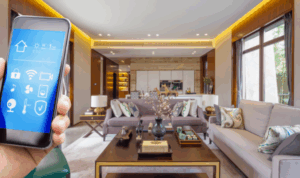
Embark on a journey to explore innovative interior ideas for eco-friendly and sustainable homes, where creativity meets environmental consciousness. From eco-friendly materials to energy-efficient lighting, discover how to transform your living space into a green oasis.
Delve into the world of sustainable design and learn practical tips on incorporating nature-inspired elements for a healthier and more eco-conscious home environment.
Eco-Friendly Materials
When it comes to creating eco-friendly interiors, using sustainable materials is key to reducing environmental impact and promoting a healthier living space. By opting for eco-friendly materials, you can contribute to a more sustainable future while also enjoying a unique and stylish design aesthetic.
Sustainable Materials for Eco-Friendly Interiors
- Bamboo: A fast-growing and renewable resource that can be used for flooring, furniture, and decor.
- Recycled Glass: Glass can be recycled and repurposed for countertops, tiles, and decorative accents.
- Reclaimed Wood: Salvaged wood from old buildings or furniture can be used for flooring, paneling, and furniture pieces.
- Cork: Harvested from the bark of cork oak trees, cork is a renewable material that can be used for flooring, wall tiles, and accessories.
- Recycled Metal: Scrap metal can be melted down and transformed into new metal products for light fixtures, hardware, and accents.
Environmental Impact Comparison
Using traditional materials like concrete, plastic, and hardwood can have a significant environmental impact due to high energy consumption, deforestation, and pollution. In contrast, eco-friendly materials such as bamboo, cork, and recycled glass have lower carbon footprints, reduce waste, and promote sustainable practices.
Innovative Use of Recycled Materials
In interior design, recycled materials can be creatively incorporated to add unique textures, colors, and patterns to a space. Examples include using old newspapers for papier-mâché wall art, repurposing wine bottles as pendant lights, or turning salvaged doors into tabletops.
These innovative approaches not only reduce waste but also add character and charm to a sustainable home design.
Energy-Efficient Lighting
Energy-efficient lighting is a crucial element in sustainable homes as it helps reduce electricity consumption, lower utility bills, and minimize environmental impact.
Benefits of Using LED Bulbs and Smart Lighting Systems
- LED bulbs are highly energy-efficient, consuming up to 80% less energy than traditional incandescent bulbs, and have a longer lifespan.
- Smart lighting systems enable users to control lighting remotely, set timers, adjust brightness levels, and save energy by turning off lights automatically when not in use.
- Both LED bulbs and smart lighting systems contribute to creating a more sustainable living environment.
Tips to Maximize Natural Light
Maximizing natural light in your home not only reduces the need for artificial lighting but also enhances the overall ambiance and comfort. Here are some tips to achieve this:
- Keep windows clean and unobstructed to allow natural light to enter freely.
- Use light-colored curtains or blinds that can be easily opened during the day to let sunlight in.
- Position mirrors strategically to reflect and amplify natural light throughout the space.
- Consider installing skylights or light tubes in darker areas of the house to bring in more natural light.
- Opt for light-colored paint on walls and ceilings to help bounce and distribute natural light effectively.
Indoor Plants and Greenery
Indoor plants play a crucial role in improving air quality and creating a healthier indoor environment
Selecting Low-Maintenance Indoor Plants
When choosing plants for indoor spaces, opt for low-maintenance varieties that can thrive with minimal care. Some excellent options include pothos, snake plants, spider plants, and peace lilies. These plants are known for their ability to purify the air and require little attention to flourish.
Incorporating Vertical Gardens or Living Walls
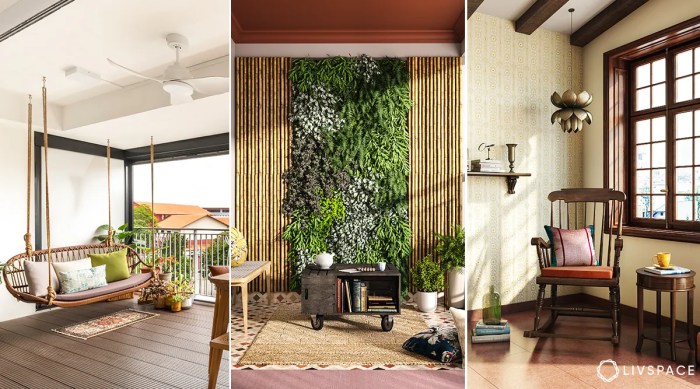
Vertical gardens or living walls are a creative way to introduce greenery into your home while maximizing space. These features not only add a unique design element but also contribute to a sustainable environment. You can use a variety of plants, such as ferns, succulents, and herbs, to create your own vertical garden indoors.
This innovative approach allows you to enjoy the benefits of plants without compromising on space.
Water Conservation
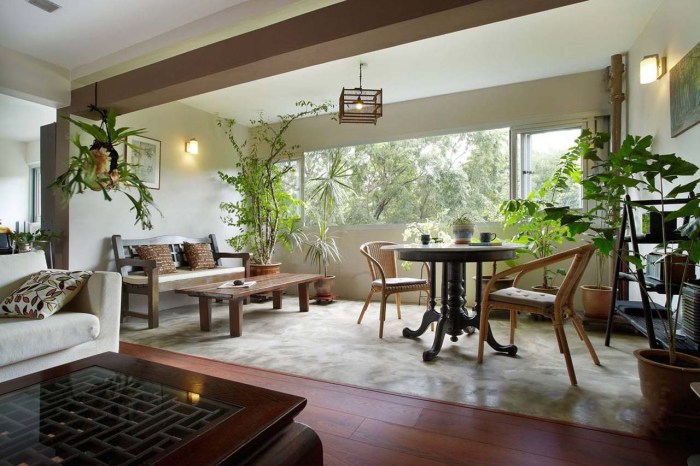
Water conservation is a crucial aspect of sustainable living in eco-friendly homes. By implementing water-saving fixtures and appliances, utilizing greywater recycling systems, and designing water-efficient spaces, homeowners can significantly reduce water wastage and contribute to environmental preservation.
Water-Saving Fixtures and Appliances
- Low-flow toilets: These toilets use significantly less water per flush compared to traditional models, helping to reduce overall water consumption in the bathroom.
- Water-efficient showerheads: Installing showerheads with low flow rates can minimize water usage during showers without compromising water pressure.
- Energy-efficient dishwashers and washing machines: These appliances not only save energy but also help conserve water by utilizing advanced technology to optimize water usage.
Greywater Recycling
Greywater recycling involves collecting and treating wastewater from sinks, showers, and laundry for reuse in activities like watering plants or flushing toilets. This sustainable practice not only reduces water consumption but also minimizes the strain on freshwater resources.
Designing Water-Efficient Spaces
- Use of aerators: Installing aerators on faucets can reduce water flow without compromising water pressure, leading to significant water savings in the kitchen and bathroom.
- Dual-flush toilets: These toilets offer two flushing options for liquid and solid waste, allowing users to conserve water based on their needs.
- Proper leak detection and repair: Regularly checking for and fixing leaks in plumbing fixtures can prevent unnecessary water wastage and promote efficient water use.
Final Review
In conclusion, embracing interior ideas for eco-friendly and sustainable homes is not just a trend but a lifestyle choice that benefits both the environment and your well-being. By making conscious design decisions, you can create a harmonious space that reflects your commitment to a greener future.
Clarifying Questions
How can I incorporate recycled materials in interior design?
You can use reclaimed wood for furniture, recycled glass for countertops, or repurposed metal for decor to add a sustainable touch to your home.
What are the benefits of using LED bulbs for energy-efficient lighting?
LED bulbs consume less energy, have a longer lifespan, and produce less heat, making them a cost-effective and eco-friendly lighting option.
Which indoor plants are best for improving air quality indoors?
Plants like spider plants, pothos, and peace lilies are known for their air-purifying properties and are easy to care for, making them ideal choices for indoor spaces.
How can I design a water-efficient bathroom or kitchen?
You can install low-flow faucets, toilets, and showerheads, as well as a greywater recycling system to reduce water wastage and promote sustainable water use in your home.