Exploring the realm of Interior Innovations Inspired by Japanese Minimalism, this captivating introduction delves into the essence of Japanese design principles and their impact on modern interior aesthetics. From the serene use of natural elements to the concept of negative space, this topic promises to offer a fresh perspective on creating harmonious living spaces.
As we uncover the key elements, furniture choices, color palette, and textures that define this style, readers will gain valuable insights into how Japanese minimalism can transform any space into a tranquil sanctuary.
Overview of Japanese Minimalism in Interior Design
Japanese minimalism in interior design is characterized by simplicity, clean lines, and a focus on natural elements. The key principles of Japanese minimalism include the idea of "Ma" or negative space, which emphasizes the importance of empty spaces to create a sense of calm and tranquility.
Another principle is "Wabi-Sabi," which values imperfection and impermanence, celebrating the beauty of natural materials and the passage of time.Japanese minimalism influences interior design by promoting a sense of harmony, balance, and simplicity. It often involves the use of neutral colors, natural materials such as wood and stone, and minimalistic furniture with clean, straight lines.
The goal is to create a space that is peaceful, uncluttered, and conducive to relaxation and mindfulness.Traditional Japanese elements such as sliding doors (fusuma), tatami mats, and shoji screens are often incorporated into modern interior design to add a touch of authenticity and cultural richness.
These elements help to create a connection to nature and the essence of Japanese aesthetics, bringing a sense of tranquility and serenity to the space.
Elements of Japanese Minimalism
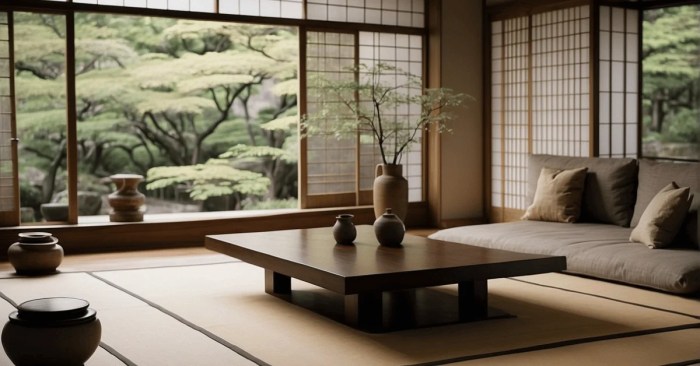
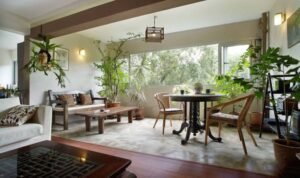
Natural Light:In Japanese minimalism, natural light is a crucial element that helps create a sense of openness and connection to the outdoors. Large windows, skylights, and open floor plans are often utilized to maximize the entry of natural light into the space.Natural Materials:The use of natural materials such as wood and stone is prevalent in Japanese minimalism.
These materials bring warmth, texture, and a sense of harmony to the space. Wood is often used for flooring, furniture, and accents, while stone is incorporated in features like countertops and walls."Ma" or Negative Space:The concept of "Ma" in Japanese design refers to the importance of negative space or emptiness in creating balance and harmony in a space.
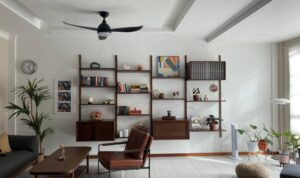
It allows for a sense of calmness and simplicity by focusing on what is essential and eliminating clutter. This concept is reflected in the open layouts and minimalistic decor commonly found in Japanese interior design.
Furniture and Layout Inspired by Japanese Minimalism
Japanese minimalist interiors are known for their simplicity, functionality, and focus on creating a sense of harmony and tranquility. When it comes to furniture and layout, there are specific elements that are commonly used to achieve this aesthetic.
Furniture Pieces in Japanese Minimalist Interiors
In Japanese minimalist interiors, furniture pieces are typically low to the ground and feature clean lines and natural materials such as wood, bamboo, or stone. Some common furniture pieces include:
- Tatami mats: Traditional Japanese flooring made of woven straw.
- Shoji screens: Sliding doors or room dividers made of translucent paper over a wooden frame.
- Futon: A thin mattress placed on the floor for sleeping, which can be easily folded and stored away during the day.
- Zabuton: Square cushions used for sitting on the floor.
Layout Principles in Japanese Minimalist Interiors
Japanese minimalist interiors often incorporate open floor plans and multi-functional spaces to create a sense of spaciousness and flow
Wabi-Sabi Influence on Furniture Choices
The concept of "Wabi-Sabi" in Japanese aesthetics emphasizes the beauty of imperfection, impermanence, and simplicity. This philosophy influences furniture choices in Japanese minimalist interiors, where natural materials are preferred for their organic textures and irregularities. Pieces are often chosen for their craftsmanship and ability to age gracefully, embracing the passage of time and the natural wear and tear that comes with it.
Color Palette and Textures in Japanese Minimalism
In Japanese minimalist interiors, the color palette plays a crucial role in creating a sense of tranquility and simplicity. Neutral colors are predominantly used to evoke a calming and serene atmosphere.
Typical Color Palette
- Neutral tones such as white, beige, grey, and earthy hues are commonly seen in Japanese minimalist design.
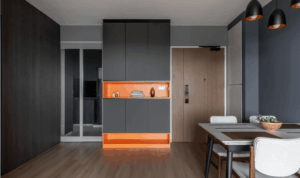
- Accents of black or dark brown may be used sparingly to add contrast and depth to the space.
- Natural materials like wood are also incorporated to bring warmth and a connection to nature.
Importance of Textures
- Tatami mats, made from rice straw and woven rush grass, are a traditional flooring choice in Japanese interiors, adding texture and a sense of authenticity.
- Shoji screens, typically made of paper and wood, are used as room dividers or sliding doors to create a sense of openness and lightness.
- Textured elements like bamboo, rice paper, and woven fabrics are often utilized to introduce tactile sensations into the space.
Creation of Tranquility
- Neutral colors and natural textures work together to create a harmonious and peaceful environment, promoting relaxation and mindfulness.
- The simplicity of the color palette and textures allows for a focus on the essential elements of the space, promoting a sense of clarity and simplicity.
- By minimizing visual clutter and distractions, Japanese minimalism emphasizes the beauty of simplicity and the importance of creating a peaceful sanctuary within the home.
Closing Notes
In conclusion, Interior Innovations Inspired by Japanese Minimalism encapsulate a timeless elegance that seamlessly blends tradition with innovation. By embracing the principles of simplicity, natural beauty, and tranquility, one can create living spaces that not only inspire but also rejuvenate the soul.
FAQ Guide
What are the key principles of Japanese minimalism?
The key principles include simplicity, natural elements, and the concept of "Ma" or negative space.
How does Japanese minimalism influence interior design?
Japanese minimalism emphasizes simplicity, functionality, and a connection to nature, which are reflected in the design choices.
What furniture pieces are commonly used in Japanese minimalist interiors?
Common furniture includes low tables, floor cushions, and sliding doors to create an open and airy atmosphere.
What is the significance of the color palette in Japanese minimalist interiors?
Neutral colors like white, beige, and gray are often used to create a sense of tranquility and harmony with nature.