
Exploring the impact of interior lighting choices on how we perceive a room can shed light on the importance of creating the right ambiance. From setting the mood to enhancing productivity, the right lighting can truly transform a space. Let's delve into the fascinating world of interior lighting choices and their effects on room perception.
Importance of Interior Lighting
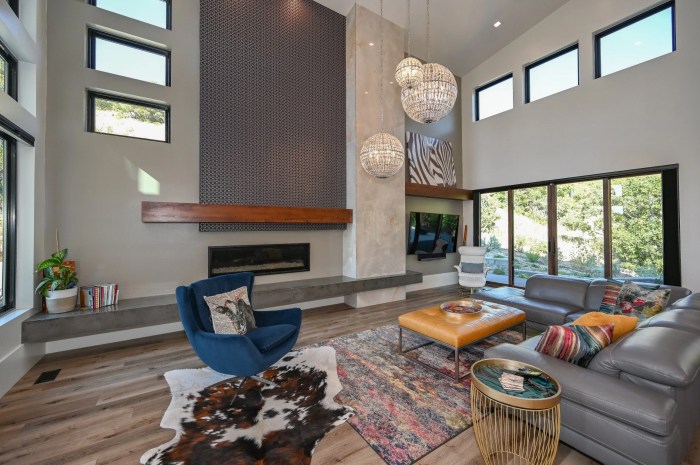
Interior lighting plays a crucial role in shaping the perception of a room and influencing the overall ambiance. Different lighting choices can have a significant impact on how we experience a space, affecting our mood, productivity, and even our health.Lighting has the power to create various atmospheres within a room, from cozy and intimate to bright and energetic.
The color temperature of light can evoke different emotions and feelings, with warm tones promoting relaxation and cool tones enhancing focus and alertness.
Effects of Lighting on Mood and Productivity
- Harsh fluorescent lighting in an office setting can lead to feelings of stress and fatigue, affecting productivity and overall well-being.
- Natural daylight, on the other hand, has been shown to boost mood and increase productivity, making spaces feel more inviting and comfortable.
- Dimming lights in the evening can signal to the body that it's time to wind down and prepare for rest, helping improve sleep quality.
Enhancing or Detracting from a Room's Ambiance
- Soft, warm lighting in a living room can create a cozy and inviting atmosphere, perfect for relaxation and socializing.
- Overhead harsh lighting in a bedroom can make the space feel cold and unwelcoming, impacting the quality of sleep and overall comfort.
- Accent lighting highlighting artwork or architectural features can add depth and visual interest to a room, enhancing its overall appeal.
Types of Interior Lighting
When it comes to lighting up your interior space, there are different types of lighting options to consider. Each type serves a specific purpose and contributes to the overall ambiance and functionality of the room.
Ambient Lighting
- Ambient lighting, also known as general lighting, provides overall illumination to the room.
- Common fixtures for ambient lighting include ceiling-mounted lights, track lights, and wall sconces.
- This type of lighting ensures that the room is well-lit and comfortable for everyday activities.
Task Lighting
- Task lighting is focused on specific areas where tasks such as reading, cooking, or working are performed.
- Desk lamps, under-cabinet lights, and pendant lights are popular choices for task lighting.
- Task lighting helps to increase visibility and reduce eye strain in targeted areas.
Accent Lighting
- Accent lighting is used to highlight specific features or objects in the room, creating visual interest.
- Spotlights, wall-mounted fixtures, and strip lights are commonly used for accent lighting.
- By adding accent lighting, you can draw attention to artwork, architectural details, or other focal points in the room.
Comparing Lighting Fixtures
- Chandeliers: Chandeliers are elegant and decorative light fixtures that can serve as a focal point in a room.
- Pendant Lights: Pendant lights are versatile and can be used for ambient, task, or accent lighting depending on their placement.
- Recessed Lighting: Recessed lights are subtle and modern, providing a clean look without taking up visual space.
Layering Lighting for Optimal Functionality
- Layering different types of lighting is essential for achieving both functionality and aesthetics in a space.
- Combining ambient, task, and accent lighting creates depth, balance, and versatility in lighting design.
- By layering lighting, you can adjust the intensity and mood of the room according to your needs and preferences.
Color Temperature and Brightness
When it comes to interior lighting, color temperature and brightness play a crucial role in setting the mood and feel of a room
Lower Kelvin temperatures (2000K-3000K) produce warm, yellowish light, often associated with cozy and inviting environments. On the other hand, higher Kelvin temperatures (4000K-6500K) emit cooler, bluish light, which can make a space feel more vibrant and energetic.
Choosing the Right Brightness Levels
Different areas within a room require varying levels of brightness to serve their functions effectively. Here are some guidelines to help you select the appropriate brightness:
- Task lighting: Aim for 350-450 lumens per square meter for activities like reading or cooking.
- Ambient lighting: 250-400 lumens per square meter is ideal for creating a comfortable overall illumination.
- Accent lighting: Use around 200-300 lumens per square meter to highlight specific objects or areas in the room.
Warm and Cool Lighting Tones Impact on Perception
The choice between warm and cool lighting tones can significantly influence how spacious a room feels. Warm tones tend to create a cozy and intimate atmosphere, making small rooms appear more inviting. On the other hand, cool tones can make a space feel larger and more open, ideal for brightening up larger areas or creating a modern aesthetic.
Lighting Placement and Design
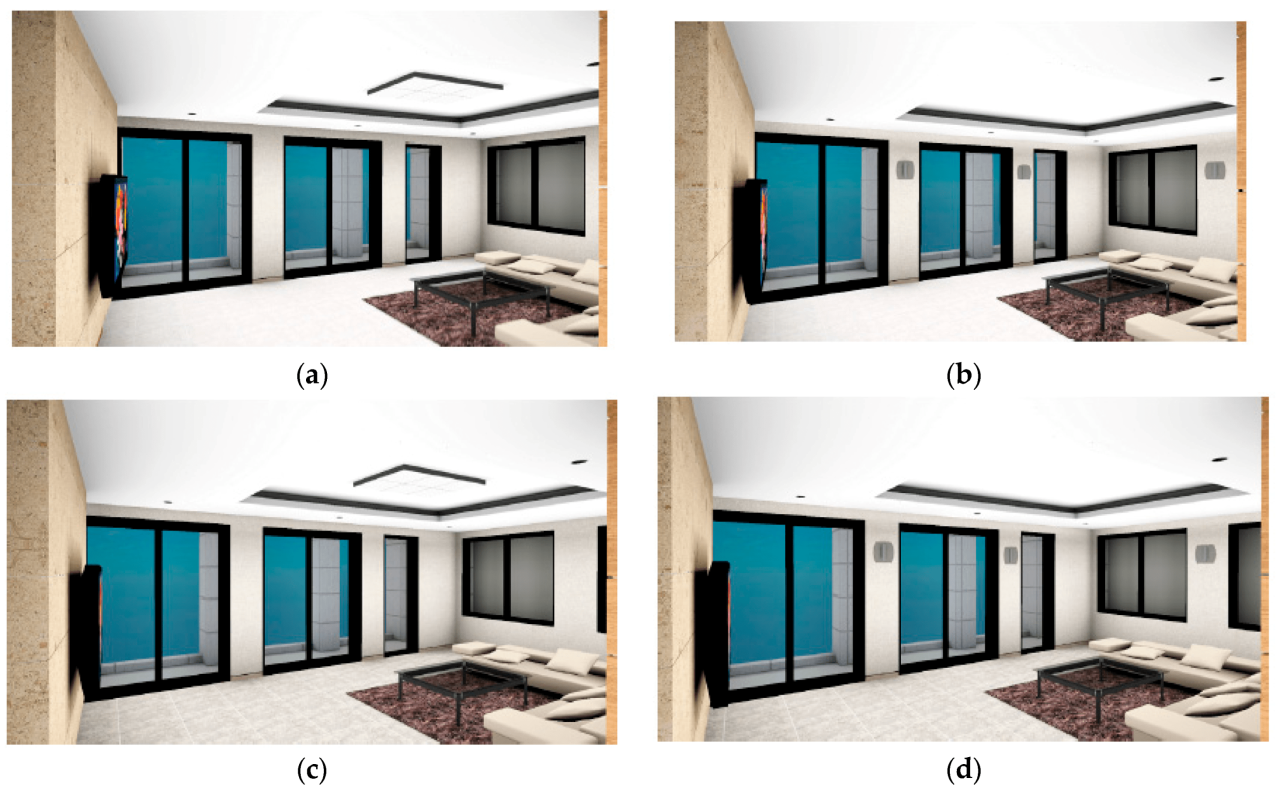
When it comes to interior design, the placement of lighting fixtures plays a crucial role in enhancing the overall aesthetic appeal of a room. Strategic placement can highlight architectural features, create focal points, and draw attention to specific areas. Let's explore some tips and insights on designing lighting layouts for different room sizes and functions.
Strategic Placement for Highlighting Architectural Features
- Place wall sconces or recessed lighting fixtures above or beside architectural elements such as columns, arches, or textured walls to accentuate their beauty.
- Use track lighting to illuminate artwork, sculptures, or any unique architectural details that you want to showcase.
- Consider installing floor lamps or uplights to highlight high ceilings or intricate ceiling designs.
Creating Focal Points and Drawing Attention
- Use pendant lights or chandeliers to create a focal point in the center of a room, such as above a dining table or in a living room seating area.
- Install directional spotlights to draw attention to a specific piece of furniture, like a statement chair or a decorative cabinet.
- Experiment with dimmable lights to control the intensity and focus of illumination on different areas based on the time of day or desired ambiance.
Designing Lighting Layouts for Different Room Sizes and Functions
- For smaller rooms, opt for overhead fixtures like flush mounts or recessed lights to maximize space and provide general illumination without overwhelming the area.
- In larger rooms, consider a combination of ambient, task, and accent lighting to create layers of light that cater to different activities and moods.
- Divide open-concept spaces into zones with lighting to define separate areas for dining, lounging, or working, using pendant lights, floor lamps, or wall-mounted fixtures accordingly.
Closing Notes
As we conclude our exploration of interior lighting choices that change room perception, it's evident that lighting plays a crucial role in shaping the ambiance and functionality of a space. By understanding the nuances of different lighting options, we can truly elevate our living environments to new heights.
FAQ Corner
How does lighting affect mood and productivity?
Lighting can influence mood by creating a cozy or stimulating atmosphere, while proper lighting levels can enhance productivity by reducing eye strain and fatigue.
What is color temperature in lighting?
Color temperature refers to the warmth or coolness of light, affecting the feel of a room. Warmer tones create a cozy ambiance, while cooler tones can make a space feel more energetic.
Why is layering different types of lighting important?
Layering ambient, task, and accent lighting creates depth and visual interest in a room, ensuring both functionality and aesthetics are optimized.