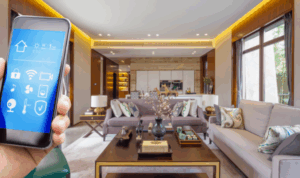
As we delve into the realm of Lifestyle Shifts from Analog to Smart Living, we uncover a fascinating journey marked by technological advancements and innovation. This transformation promises a lifestyle that is not only interconnected but also efficient and sustainable.
Exploring the transition from traditional analog living to the modern era of smart living reveals a dynamic shift in how we perceive and interact with our surroundings.
Analog vs. Smart Living
Living in the analog era was characterized by manual processes, limited connectivity, and reliance on physical tools for everyday tasks. On the other hand, smart living in the digital age involves leveraging technology, automation, and interconnected devices to enhance efficiency and convenience in various aspects of life.
Key Differences
- Analog living relies heavily on traditional methods and physical tools, while smart living integrates technology and automation for streamlined processes.
- In analog living, communication and information sharing are primarily done face-to-face or through physical mail, whereas smart living involves instant communication through digital platforms and social media.
- Smart living allows for remote access and control of devices and systems, while analog living requires physical presence for most tasks.
Impact of Technology
Technology has revolutionized everyday living by introducing smart devices and systems that have transformed how we interact with our environment. From smart homes with automated lighting and temperature control to wearable devices that track our health and fitness, the integration of technology has significantly improved the quality of life for many individuals.
The ability to access information instantly, connect with others globally, and automate routine tasks has made smart living not just a trend but a way of life in the modern world.
Smart Home Devices
Smart home devices are revolutionizing the way we interact with our living spaces by offering convenience, efficiency, and sustainability.
List of Popular Smart Home Devices:
- Smart Thermostats: Allow for remote temperature control and energy-saving features.
- Smart Lighting: Adjust lighting settings remotely and based on schedules or motion detection.
- Smart Security Cameras: Monitor your home from anywhere and receive alerts for unusual activity.
- Smart Plugs: Control appliances and devices remotely to save energy and improve convenience.
How Smart Home Devices Enhance Daily Life:
Smart home devices make daily tasks more convenient and efficient by allowing remote control and automation. For example, setting schedules for lighting and temperature adjustments can save time and energy.
Impact on Energy Consumption and Sustainability:
Smart home devices play a crucial role in reducing energy consumption and promoting sustainability. By optimizing energy usage through features like motion sensors, scheduling, and remote control, these devices help lower utility bills and minimize environmental impact.
Health and Wellness in Smart Living
In the realm of smart living, technology plays a crucial role in promoting health and wellness by integrating innovative solutions into daily routines. From smart devices that track physical activity to those that monitor sleep patterns, the possibilities for optimizing one's well-being are endless.
Smart Devices for Healthier Lifestyles
- Smartwatches and fitness trackers: These devices monitor heart rate, steps taken, calories burned, and even provide personalized workout recommendations to help individuals stay active and achieve their fitness goals.
- Smart scales and body composition analyzers: By measuring metrics such as weight, body fat percentage, and muscle mass, these devices provide valuable insights into one's overall health and fitness progress.
- Smart water bottles: Equipped with hydration reminders and tracking features, these bottles help individuals stay adequately hydrated throughout the day, promoting better health and well-being.
- Smart sleep trackers: By analyzing sleep patterns and providing insights into sleep quality, these devices enable users to make adjustments for a more restful night's sleep, leading to improved overall health.
Data Tracking and Analysis in Wellness
Smart living also leverages the power of data tracking and analysis to enhance wellness outcomes. By collecting and analyzing data from smart devices, individuals can gain valuable insights into their health habits and make informed decisions to improve their overall well-being
For example, tracking daily physical activity levels can help individuals set achievable fitness goals, while monitoring sleep patterns can lead to adjustments in bedtime routines for better rest. Ultimately, the integration of data-driven insights into daily routines can empower individuals to take control of their health and wellness in a more proactive and effective manner.
Smart Cities and Urban Living

Smart cities are urban areas that utilize technology and data to improve efficiency, sustainability, and the quality of life for residents. These cities integrate digital technologies to manage resources, enhance infrastructure, and provide better services to their inhabitants.
Technologies in Smart Cities
Smart cities incorporate various technologies to enhance urban living:
- Internet of Things (IoT) devices for collecting and analyzing data to optimize city operations.
- Sensor networks for real-time monitoring of traffic flow, air quality, and energy consumption.
- Smart grids to efficiently manage energy distribution and consumption.
- Intelligent transportation systems for better traffic management and public transportation services.
Benefits and Challenges of Smart Urban Lifestyle
Transitioning to a smart urban lifestyle comes with its own set of advantages and challenges:
- Benefits:
- Improved sustainability through reduced energy consumption and waste generation.
- Enhanced public safety with advanced monitoring and emergency response systems.
- Increased efficiency in urban services like transportation and waste management.
- Challenges:
- Privacy and data security concerns with the large-scale collection of personal information.
- Cost of implementing and maintaining smart city infrastructure.
- Digital divide issues that may exclude certain populations from benefiting fully from smart technologies.
Epilogue
In conclusion, Lifestyle Shifts from Analog to Smart Living signify a profound evolution in the way we approach daily routines and urban living. Embracing this change opens up a world of possibilities for enhanced convenience, wellness, and connectivity.
FAQ Insights
What are the key differences between analog living and smart living?
Smart living emphasizes connectivity, automation, and efficiency, while analog living is characterized by traditional, manual processes.
How do smart home devices impact energy consumption?
Smart home devices optimize energy usage by providing automated controls and efficient monitoring, leading to reduced waste and lower utility bills.
Can smart technology contribute to better health and wellness?
Yes, smart technology offers tools for tracking fitness, monitoring health metrics, and promoting healthier lifestyle choices.
What technologies are commonly used in smart cities?
Smart cities utilize IoT devices, sensors, and data analytics to improve infrastructure, transportation, and public services.