Delving into the realm of Modern Interior Trends Influencing Global Smart Homes, we uncover the fusion of contemporary design elements with cutting-edge smart home technology. This dynamic combination not only enhances the aesthetic appeal of living spaces but also revolutionizes the way we interact with our homes.
As we navigate through the intricate relationship between modern interior trends and smart home innovations, a new era of functionality and style emerges, reshaping the landscape of residential living.
Modern Interior Trends Influencing Global Smart Homes
Modern interior design trends play a crucial role in shaping the global smart homes industry. The integration of aesthetics and technology has transformed the way we interact with our living spaces, creating a seamless and intuitive user experience.
Integration of Minimalism in Smart Home Technology
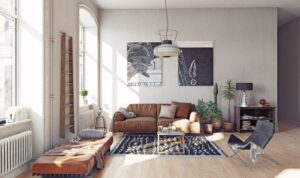
The trend of minimalism in interior design has influenced smart homes by promoting sleek and uncluttered spaces. Smart home devices are designed to blend seamlessly into the environment, with clean lines and neutral colors to complement modern minimalist interiors.
Use of Natural Elements in Smart Home Design
Incorporating natural elements like wood, stone, and greenery in interior design has also made its way into smart homes. Smart devices are now designed to mimic the look and feel of natural materials, creating a harmonious connection between technology and nature within the home.
Smart Lighting Solutions for Ambient Environments
Lighting plays a key role in modern interior design, and smart lighting solutions have revolutionized the way we illuminate our homes. With customizable options for color temperature, brightness, and mood settings, smart lighting enhances the overall ambiance and functionality of living spaces.
Sustainable Materials in Smart Home Design
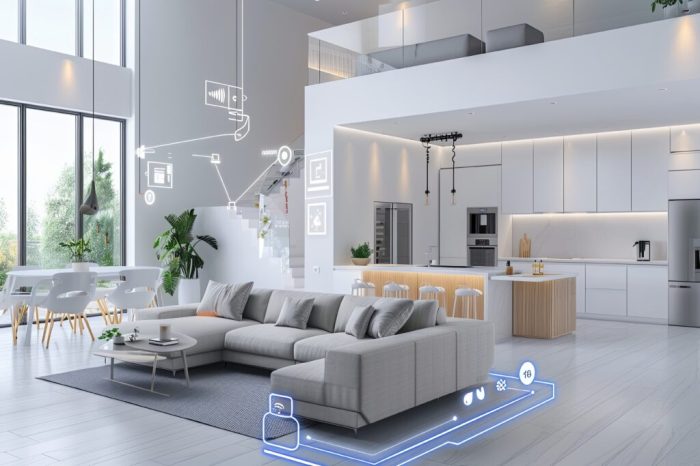
In modern interior design for smart homes, the use of sustainable materials has become increasingly popular. These materials are not only environmentally friendly but also offer a range of benefits that can enhance the overall quality of smart home construction.
Benefits of Sustainable Materials in Smart Home Construction
- Sustainability: Sustainable materials are sourced responsibly, reducing the environmental impact of construction and promoting long-term ecological balance.
- Energy Efficiency: Many sustainable materials have excellent insulating properties, helping to regulate indoor temperatures and reduce energy consumption.
- Durability: Sustainable materials are often more durable than traditional materials, leading to reduced maintenance costs and longer-lasting structures.
- Health Benefits: Some sustainable materials are non-toxic and emit fewer harmful chemicals, creating a healthier indoor environment for occupants.
Alignment with Eco-Friendly Living in Smart Homes
The incorporation of sustainable materials in smart home design aligns perfectly with the trend of eco-friendly living. As more people become conscious of their environmental footprint, choosing sustainable materials not only reduces carbon emissions but also promotes a healthier lifestyle for residents.
This shift towards eco-friendly practices is a key driver in shaping the future of smart home construction.
Integration of Smart Home Technology with Interior Design
In the modern era, the integration of smart home technology with interior design has become a key focus for homeowners looking to create a seamless and efficient living space. By blending technology with aesthetics, smart home devices are now being hidden or camouflaged within interior spaces to enhance both functionality and visual appeal.
Innovative Ways of Integration
- Smart Lighting: LED light strips integrated into shelves or cabinets provide ambient lighting while hiding the technology.
- Hidden Speakers: Speakers can be disguised as decorative objects or built into walls to maintain a sleek look.
- Concealed Controls: Touchscreen panels can be installed flush with walls or hidden in furniture for a minimalist appearance.
Challenges and Opportunities
- Challenges: Balancing the technology with the overall design aesthetic without compromising either can be a challenge. Ensuring that smart devices blend seamlessly without disrupting the visual flow of a space requires careful planning.
- Opportunities: Integrating smart home technology presents opportunities to enhance convenience, efficiency, and comfort within a living space. With the right design approach, technology can become a seamless part of the home environment.
Lighting Design and Automation in Smart Homes
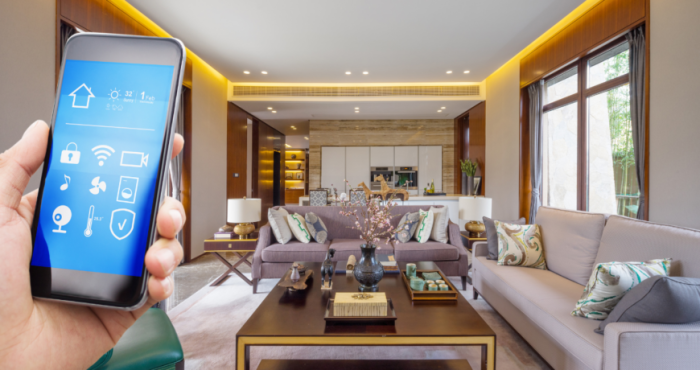
Lighting design plays a crucial role in enhancing the modern interior trends within smart homes. It not only provides illumination but also sets the ambiance and mood of the space, highlighting key architectural features and design elements.
Role of Lighting Automation Systems
Lighting automation systems contribute significantly to the ambiance and functionality of smart home spaces. These systems allow homeowners to control the intensity, color, and even the timing of lights, creating different atmospheres for various activities such as relaxation, focus, or entertainment.
Smart lighting can be integrated with other smart home devices to optimize energy efficiency and enhance convenience.
Smart Lighting Solutions for Different Interior Design Styles
Smart lighting solutions can complement different interior design styles in global smart homes. For example, in minimalist interiors, recessed lighting and linear fixtures can create a sleek and uncluttered look. In industrial-style spaces, exposed bulbs and track lighting can add a touch of urban chic.
For traditional or classic interiors, chandeliers and sconces can provide a touch of elegance and sophistication. The versatility of smart lighting systems allows for seamless integration with a variety of design aesthetics, enhancing the overall appeal of smart home environments.
End of Discussion
In conclusion, the convergence of modern interior trends and smart home technology presents a compelling vision for the future of living spaces worldwide. As we embrace these advancements, we pave the way for a more interconnected, sustainable, and aesthetically pleasing living environment.
General Inquiries
How do modern interior trends influence the design of smart homes?
Modern interior trends play a crucial role in shaping the aesthetics and functionality of smart home designs, blending contemporary styles with cutting-edge technology.
What are some examples of sustainable materials used in modern smart home design?
Sustainable materials like bamboo flooring, recycled glass countertops, and energy-efficient appliances are commonly integrated into modern smart home designs for their eco-friendly properties.
How can smart home technology be seamlessly integrated into interior design?
Smart home devices can be discreetly incorporated into interior spaces through hidden installations, innovative design solutions, and customized smart home automation systems.