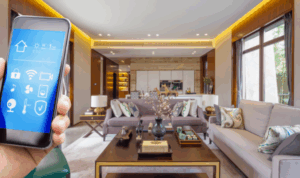
Step into a world where Scandinavian interior elements seamlessly blend with the traditional aesthetics of Asian homes, creating a unique and harmonious fusion of design inspirations. From minimalist approaches to incorporating natural elements, this exploration delves into the evolving trends shaping modern living spaces.
Scandinavian Interior Elements
Scandinavian interior design is known for its simplicity, functionality, and minimalism. It focuses on creating a cozy and inviting atmosphere by incorporating natural elements and neutral colors.
Key Characteristics of Scandinavian Interior Design
Scandinavian interior design is characterized by clean lines, light colors, and a focus on natural light. The use of natural materials such as wood, leather, and stone is also prominent in Scandinavian interiors. Furniture is often sleek and functional, with an emphasis on practicality and comfort.
Popular Scandinavian Colors
- White: White is a staple color in Scandinavian design, creating a sense of airiness and brightness in a space.
- Soft Pastels: Soft pastel colors like light blues, greens, and blush pinks are often used to add a subtle pop of color without overwhelming the space.
- Neutral Tones: Neutral colors like beige, grey, and taupe are commonly used to create a calming and cohesive color palette.
Materials and Textures
Scandinavian interiors often feature natural materials like wood, wool, and leather to bring warmth and texture to the space. Textures such as fur rugs, knitted throws, and woven baskets add depth and coziness to the design.
Enhancing Asian Homes
Integrating Scandinavian design principles into Asian homes can help create a harmonious and balanced aesthetic. The simplicity and functionality of Scandinavian design can complement the intricate details and rich cultural heritage often found in Asian decor. By incorporating natural elements, light colors, and clean lines, Asian homes can achieve a modern yet cozy look inspired by Scandinavian design.
Minimalist Approach in Asian Homes
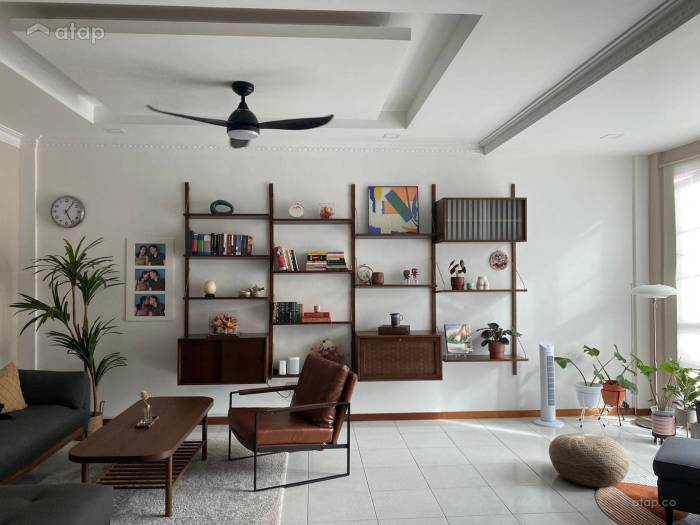
When it comes to interior design, the minimalist approach is gaining popularity in Asian homes, drawing inspiration from Scandinavian design principles.
Similarities Between Scandinavian and Minimalist Asian Interior Design
Both Scandinavian and minimalist Asian interior design focus on simplicity, functionality, and clean lines. They both prioritize the use of natural materials, neutral colors, and uncluttered spaces to create a sense of calm and tranquility.
Examples of Incorporating Minimalist Elements in Asian Homes
- Using light-colored wood furniture and flooring to create a sense of warmth and brightness in rooms.
- Opting for sleek, simple furniture pieces with clean lines and minimal ornamentation.
- Maximizing natural light through large windows or skylights to enhance the sense of space and airiness.
Functionality Improvement in Asian Homes Through Minimalist Approach
A minimalist approach in Asian homes can improve functionality by promoting better organization and decluttering spaces. By focusing on essential items and reducing visual distractions, homeowners can create a more efficient and practical living environment.
Comparison of Space Usage in Scandinavian and Asian Minimalist Design
Both Scandinavian and Asian minimalist design prioritize the efficient use of space, but they may approach it differently. Scandinavian design tends to focus on maximizing natural light and creating a sense of openness, while Asian minimalist design may emphasize multi-functional furniture and storage solutions to optimize space utilization.
Incorporating Natural Elements
Incorporating natural elements into interior design can create a sense of tranquility and connection to the outdoors. This is a key aspect of both Scandinavian and Asian design aesthetics.
Natural Light in Scandinavian Design and its Impact on Asian Homes
Natural light plays a crucial role in Scandinavian design, where large windows and minimal window treatments allow sunlight to flood the space. This emphasis on natural light creates a bright and airy atmosphere, which can be beneficial in Asian homes that may lack natural light due to dense urban environments or smaller windows.
Incorporation of Indoor Plants in Scandinavian Interiors and its Growing Popularity in Asian Homes
Indoor plants are a staple in Scandinavian interiors, adding a touch of greenery and freshness to the space
Plants not only improve air quality but also add a sense of calm and harmony to the space.
Utilization of Natural Materials like Wood and Stone in Scandinavian and Asian Interior Design
Both Scandinavian and Asian interior design embrace the use of natural materials like wood and stone. In Scandinavian design, light wood tones and natural stone are commonly used to create a warm and inviting atmosphere. Similarly, Asian design often incorporates these materials to add a sense of groundedness and connection to nature.
Strategies for Incorporating Nature-Inspired Elements in Asian Homes
- Introduce indoor plants strategically throughout the space to bring a touch of nature indoors.
- Opt for furniture and decor made from natural materials like wood, bamboo, or stone to add warmth and texture.
- Maximize natural light by minimizing window treatments and using light-colored furnishings to reflect and enhance sunlight.
- Incorporate nature-inspired colors like earth tones, greens, and blues to create a calming and harmonious environment.
Furniture and Decor
Scandinavian and Asian interiors have distinct furniture styles that reflect their respective cultural influences. Scandinavian design is known for its minimalist and functional approach, with clean lines and simple forms. On the other hand, Asian interiors often feature ornate and intricately carved furniture pieces, showcasing rich textures and vibrant colors.
Key Decor Elements in Scandinavian Design
In Scandinavian design, key decor elements include:
- Natural Lighting Fixtures: Scandinavian interiors prioritize natural light, so fixtures like pendant lights and floor lamps with minimalist designs are commonly used.
- Textured Rugs: Rugs made from natural materials like wool or cotton in neutral colors add warmth and texture to the space.
- Artwork: Simple and abstract artwork or photography in black and white tones are popular choices to enhance the clean aesthetic of Scandinavian design.
Tips for Selecting Complementary Furniture
When selecting furniture pieces that complement both Scandinavian and Asian design aesthetics, consider the following tips:
- Opt for Neutral Colors: Choose furniture in neutral tones like white, beige, or light wood finishes to blend seamlessly with both styles.
- Mix and Match: Combine Scandinavian minimalist furniture with Asian-inspired decor accents like silk cushions or bamboo plants for a harmonious look.
- Focus on Functionality: Select furniture pieces that serve a dual purpose or offer storage solutions to maintain a clutter-free environment.
Importance of Functional and Versatile Furniture
Functional and versatile furniture plays a crucial role in creating a harmonious living space by maximizing both style and practicality. Pieces like modular shelving units, multifunctional coffee tables, and compact seating options allow for flexibility in arranging the space while maintaining a cohesive design aesthetic.
Conclusion
As we conclude our journey through the intersection of Scandinavian interior elements and Asian homes, one thing is clear - the allure of clean lines, natural materials, and functional design knows no boundaries. Embrace the beauty of this cultural exchange, as homes become a canvas for creativity and comfort in the ever-changing landscape of interior design.
Quick FAQs
How can Scandinavian design principles enhance the aesthetic of Asian homes?
Scandinavian design principles emphasize simplicity, functionality, and minimalism, which can complement the intricate details and traditional elements often found in Asian homes, creating a harmonious balance.
What are some popular Scandinavian colors used in interior design?
Popular Scandinavian colors include soft neutrals like whites, grays, and muted pastels, creating a light and airy ambiance in living spaces.
How can natural light be incorporated into Asian homes inspired by Scandinavian design?
Natural light can be maximized by using sheer window treatments, strategically placing mirrors to reflect light, and opting for light-colored furnishings to brighten up interiors, mirroring the Scandinavian design aesthetic.
What are some key decor elements in Scandinavian design that are trending in Asian homes?
Lighting fixtures with clean lines, cozy rugs in neutral tones, and minimalist artwork are popular decor elements inspired by Scandinavian design that are gaining traction in Asian homes.