
As the importance of Sleep Optimization in a Hyperconnected Lifestyle becomes increasingly evident, this opening passage invites readers into a realm where the quality of sleep holds the key to overall well-being. The discussion unfolds with a focus on the impact of technology on our sleep patterns and the strategies to achieve a restful night's sleep.
Importance of Sleep Optimization
Optimizing sleep is crucial in a hyperconnected lifestyle where technology and constant connectivity can disrupt our natural sleep patterns. Quality sleep plays a vital role in maintaining overall well-being and ensuring optimal physical, mental, and emotional health.Improved sleep quality has a profound impact on various aspects of our lives.
It enhances cognitive function, memory consolidation, and learning abilities. Adequate sleep boosts mood regulation, reduces stress levels, and supports better decision-making skills. Additionally, proper rest during sleep helps in repairing tissues, boosting immune function, and regulating metabolism.In a hyperconnected world where screens are constantly demanding our attention, sleep deprivation has become a common issue.
Lack of sleep can lead to negative consequences such as impaired focus, decreased productivity, and increased risk of accidents. Chronic sleep deprivation is linked to serious health conditions like obesity, heart disease, and mental health disorders.
Healthy Habits for Better Sleep
- Avoid screens before bedtime to reduce exposure to blue light that can disrupt sleep patterns.
- Establish a consistent sleep schedule to regulate your body's internal clock.
- Create a relaxing bedtime routine to signal your body that it's time to wind down.
- Optimize your sleep environment by ensuring a comfortable mattress, pillows, and a cool, dark room.
- Avoid caffeine and heavy meals close to bedtime to prevent sleep disturbances.
Understanding Sleep Patterns
Sleep patterns refer to the different stages of sleep that individuals go through during a typical night. These stages are crucial for the body to rest, repair, and restore energy for the next day. Understanding these patterns can help in optimizing sleep for overall well-being.
Typical Sleep Patterns and Stages
During a night of sleep, individuals go through four main stages:
1. Stage 1 (NREM)
This is the lightest stage of sleep, where individuals may feel half-awake and half-asleep.
2. Stage 2 (NREM)
In this stage, individuals are in a slightly deeper sleep, where the body starts to prepare for deep sleep.
3. Stage 3 (NREM)
Known as deep sleep, this stage is vital for physical restoration and growth.
4. REM (Rapid Eye Movement)
This is where most dreaming occurs, and the brain is active while the body is in a state of paralysis.
Importance of Circadian Rhythms
Circadian rhythms are 24-hour cycles that regulate the sleep-wake cycle in humans. These rhythms are influenced by external cues like light and darkness, which signal the body to wake up or prepare for sleep. Disruption to these rhythms can lead to sleep disorders and overall health issues.
Technology's Impact on Sleep Patterns
The hyperconnected lifestyle brought about by technology has significantly affected natural sleep patterns. Exposure to screens emitting blue light, late-night use of electronic devices, and constant connectivity can disrupt the body's internal clock, making it harder to fall asleep and stay asleep.
It is important to limit technology use before bedtime to maintain healthy sleep patterns.
Tips for Better Sleep in a Hyperconnected Lifestyle
In today's hyperconnected world, achieving quality sleep can be challenging due to constant digital distractions and screen time. However, implementing certain strategies and relaxation techniques can help create a sleep-friendly environment and improve your overall sleep quality.
Creating a Sleep-Friendly Environment
It's important to design your bedroom in a way that promotes relaxation and restful sleep. Consider the following tips:
- Avoid using electronic devices such as smartphones, tablets, and laptops in bed, as the blue light emitted can disrupt your circadian rhythm.
- Keep your bedroom cool, dark, and quiet to create an optimal sleeping environment.
- Invest in a comfortable mattress and pillows to support a good night's sleep.
- Establish a bedtime routine to signal to your body that it's time to wind down and prepare for sleep.
The Role of Blue Light and Screen Time
Blue light emitted by electronic devices can interfere with the production of melatonin, the hormone responsible for regulating sleep-wake cycles. To minimize the impact of screen time on your sleep, consider the following:
- Avoid screen time at least an hour before bedtime to allow your brain to naturally wind down.
- Use blue light filters on your devices or wear blue light blocking glasses in the evening.
- Consider setting a technology curfew to limit exposure to screens before bedtime.
Relaxation Techniques to Unwind Before Bedtime
Engaging in relaxation techniques can help calm your mind and body before bedtime, promoting better sleep. Try the following techniques:
- Practice deep breathing exercises or progressive muscle relaxation to reduce stress and tension.
- Listen to calming music or nature sounds to create a soothing atmosphere in your bedroom.
- Consider mindfulness meditation or gentle yoga stretches to relax both your body and mind.
Incorporating Technology for Sleep Optimization
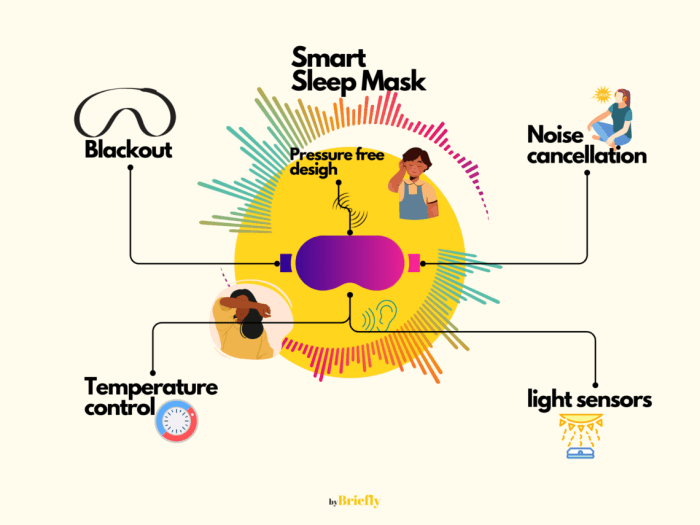
Technology has become an integral part of our daily lives, and it can also play a significant role in optimizing our sleep patterns. By leveraging the use of sleep tracking apps and devices, as well as smart home technology, individuals can enhance their overall sleep quality.
Let's delve into how incorporating technology can positively impact our sleep routines.
Sleep Tracking Apps and Devices
Using sleep tracking apps and devices can provide valuable insights into our sleep patterns and habits. These tools monitor factors such as sleep duration, quality, and disturbances throughout the night. By analyzing this data, individuals can identify trends and make necessary adjustments to improve their sleep quality.
However, it's essential to choose reliable and accurate apps and devices to ensure the data collected is valid and actionable.
Smart Home Technology for Sleep Enhancement
Smart home technology, such as smart lights, thermostats, and sound machines, can create an optimal sleep environment. For example, setting the right lighting and temperature in the bedroom can help signal the body that it's time to wind down and prepare for sleep.
Additionally, white noise or calming sounds from smart devices can mask external noises and promote better sleep. While these technologies can enhance sleep quality, it's important to strike a balance and not rely solely on them for improved sleep.
Pros and Cons of Using Technology for Sleep Improvement
On the positive side, technology provides valuable data insights and tools to optimize sleep routines. It can empower individuals to make informed decisions about their sleep habits and track progress over time. However, there are also potential drawbacks to relying too heavily on technology for sleep improvement.
Excessive screen time before bed, dependence on sleep tracking apps, and disruptions from notifications can all hinder the quality of sleep. Therefore, it's crucial to use technology mindfully and establish healthy boundaries to ensure it complements, rather than disrupts, our sleep patterns.
Ultimate Conclusion
In conclusion, Sleep Optimization in a Hyperconnected Lifestyle is not just a trend but a vital aspect of maintaining a healthy and balanced life. By understanding and implementing the tips and insights shared, one can navigate the challenges posed by modern technology and enjoy rejuvenating sleep each night.
FAQ Explained
How does optimizing sleep impact overall well-being?
Optimizing sleep leads to improved cognitive function, mood regulation, and overall physical health.
What are some effective relaxation techniques for better sleep?
Engaging in activities like deep breathing exercises, meditation, or gentle yoga before bedtime can promote relaxation and improve sleep quality.
Can smart home technology really enhance sleep quality?
Yes, smart home devices like smart lighting systems can help create a sleep-conducive environment by regulating light exposure according to your circadian rhythms.