Exploring the cutting-edge advancements in smart roofing technology, this article delves into the transformative impact these innovations are having on the roofing sector. From enhanced sustainability to cost-effectiveness, smart roofing is revolutionizing the way we think about roofs.
As we delve deeper into the realm of smart roofing technology, a fascinating landscape of possibilities unfolds, paving the way for a future where roofs are not just overhead protection but intelligent systems that optimize energy efficiency and environmental impact.
Overview of Smart Roofing Technology
Smart roofing technology refers to the integration of advanced materials, sensors, and digital systems into roofing solutions to enhance efficiency, durability, and sustainability.
The benefits of implementing smart roofing technology are numerous. Firstly, it allows for real-time monitoring of the roof's condition, enabling proactive maintenance and reducing the risk of costly repairs. Secondly, smart roofing technology can improve energy efficiency by regulating temperature and optimizing insulation, leading to lower utility bills and reduced carbon footprint.
Additionally, smart roofs can enhance safety and security by detecting leaks, fire hazards, or intrusions promptly.
Revolutionizing the Roofing Industry
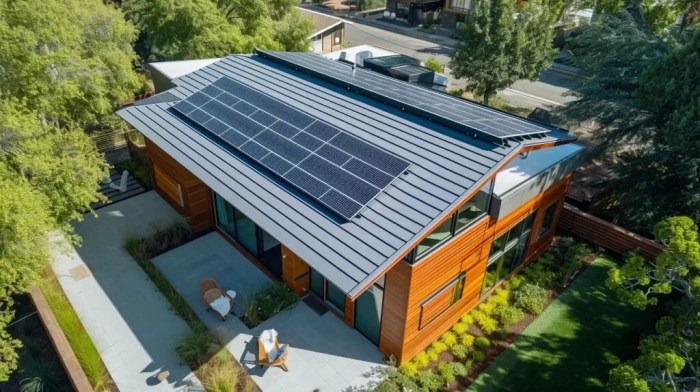
Smart roofing technology is revolutionizing the roofing industry by offering innovative solutions that address longstanding challenges. These technologies are transforming traditional roofing systems into intelligent, data-driven structures that can adapt to environmental conditions and user needs. For example, solar panels integrated into smart roofs can generate clean energy and contribute to sustainable building practices.
Furthermore, the data collected by smart roofing systems can provide valuable insights for building owners, contractors, and insurance companies, leading to more informed decision-making and improved overall performance.
Types of Smart Roofing Technologies
Smart roofing technologies have revolutionized the way we think about roofs, providing innovative solutions for energy efficiency, monitoring, and maintenance. Let's explore some of the types of smart roofing technologies available in the market.
Solar Roofing Systems
- Solar roofing systems integrate solar panels directly into the roof, allowing homeowners to harness the power of the sun to generate electricity.
- These systems are eco-friendly, reduce energy costs, and can even earn homeowners tax credits for renewable energy use.
- Companies like Tesla with their Solar Roof and traditional solar panel manufacturers like SunPower offer innovative solar roofing solutions.
Green Roofing
- Green roofing involves the installation of vegetation on the roof surface, providing insulation, reducing energy costs, and improving air quality.
- These roofs can also help manage stormwater runoff and extend the lifespan of the roof membrane.
- Companies like LiveRoof and GreenGrid offer modular green roof systems for residential and commercial buildings.
Smart Shingles
- Smart shingles are roofing materials embedded with sensors that can monitor temperature, moisture levels, and even detect leaks in real-time.
- These shingles provide early detection of roof issues, allowing for timely repairs and maintenance.
- Companies like GAF with their Roof Sentry system and CertainTeed offer smart shingle solutions for enhanced roof monitoring.
Integration of IoT in Smart Roofing
In the realm of smart roofing technology, the integration of Internet of Things (IoT) has revolutionized how roofs function. By incorporating IoT capabilities, roofs can now be equipped with sensors and connectivity that enhance their efficiency and monitoring capabilities.
Role of Sensors and Connectivity
When IoT is integrated into smart roofing systems, sensors play a crucial role in collecting data related to environmental conditions, energy usage, and overall roof health. These sensors can detect factors like temperature, humidity, sunlight exposure, and even structural integrity, providing real-time information to the building owners or facility managers.
- Sensors can help in detecting leaks or damage early on, allowing for prompt repairs and preventing costly water damage.
- Connectivity enables the transfer of data from these sensors to a centralized system or cloud platform, where it can be analyzed and used to make informed decisions regarding maintenance or energy optimization.
- By leveraging IoT connectivity, smart roofs can be part of a larger network of smart building components, enabling seamless integration and communication for better overall building performance.
Potential of IoT in Energy Efficiency and Monitoring
The potential of IoT in optimizing energy efficiency within smart roofing systems is vast. By analyzing data collected from sensors, building owners can implement strategies to minimize energy waste, such as adjusting HVAC systems based on real-time weather conditions or sunlight exposure.
- IoT can also aid in predictive maintenance by monitoring roof conditions and providing alerts when issues arise, preventing unexpected failures and extending the lifespan of the roof.
- Furthermore, the continuous monitoring made possible by IoT technology allows for proactive management of roof assets, ensuring that they perform optimally throughout their lifecycle.
Sustainability and Environmental Impact
Smart roofing technology plays a crucial role in promoting sustainability and reducing the environmental impact of buildings. By incorporating innovative features and materials, smart roofing systems offer numerous benefits that contribute to a greener future.
Energy Efficiency and Reduced Emissions
Smart roofing technologies, such as solar panels and cool roofs, help improve energy efficiency by harnessing renewable energy sources and reducing the need for traditional power generation. This not only lowers energy consumption but also decreases greenhouse gas emissions, thus mitigating the impact of climate change.
- Solar panels integrated into smart roofs can generate clean electricity, reducing the reliance on fossil fuels and lowering carbon emissions.
- Cool roofs reflect sunlight and absorb less heat, leading to decreased energy usage for cooling and contributing to a cooler urban environment.
Resource Conservation and Durability
Smart roofing systems are designed to be durable and long-lasting, reducing the frequency of roof replacements and minimizing waste generation. This promotes resource conservation and helps in the efficient use of materials, ultimately leading to a more sustainable construction industry.
- The longevity of smart roofing materials, such as recycled content or innovative composites, ensures a reduced environmental impact over the lifespan of the building.
- By adopting smart roofing technologies, buildings can achieve higher levels of sustainability certifications, showcasing a commitment to environmental responsibility.
Urban Heat Island Mitigation and Air Quality Improvement
Smart roofing solutions contribute to mitigating urban heat island effects by lowering surface temperatures and enhancing air quality in urban areas. These technologies help create healthier and more comfortable living environments while also supporting biodiversity and ecosystem resilience.
- Green roofs and living roofs incorporated into smart roofing systems provide additional insulation, reduce heat absorption, and support biodiversity by creating green spaces in urban settings.
- Improved air quality resulting from reduced emissions and enhanced ventilation systems in smart roofs can have a positive impact on public health and well-being.
Cost-Effectiveness and ROI
When it comes to smart roofing technology, the initial investment may seem significant, but the long-term cost-effectiveness and return on investment (ROI) can be quite substantial. Let's delve deeper into how smart roofing solutions can lead to cost savings and increased value for property owners.
Cost-Effectiveness of Smart Roofing Technology
Implementing smart roofing technology can lead to cost-effectiveness in various ways. By utilizing features such as energy-efficient materials, automated maintenance systems, and real-time monitoring capabilities, property owners can reduce energy consumption, minimize repair costs, and extend the lifespan of their roofs.
Return on Investment for Property Owners
Property owners who invest in smart roofing solutions can expect a positive return on investment over time. The energy savings, reduced maintenance expenses, and potential increase in property value due to enhanced sustainability and efficiency all contribute to a favorable ROI.
Additionally, some smart roofing technologies may qualify for rebates or incentives, further boosting the overall returns.
Long-Term Cost Savings with Smart Roofing
Smart roofing technology not only provides immediate benefits but also offers long-term cost savings. By optimizing energy usage, enhancing durability, and minimizing the need for frequent repairs, property owners can enjoy reduced operational costs and increased financial stability over the lifespan of the roof.
These savings can significantly outweigh the initial investment, making smart roofing a smart choice for the future.
Last Recap
In conclusion, the future of smart roofing technology holds immense promise for a greener, more efficient tomorrow. With sustainability, cost-effectiveness, and innovation at its core, smart roofing is set to redefine the standards of the roofing industry.
FAQ Compilation
How does smart roofing technology contribute to sustainability?
Smart roofing technology enhances sustainability by optimizing energy usage, reducing waste, and promoting eco-friendly materials.
What is the return on investment for property owners implementing smart roofing solutions?
The return on investment for property owners implementing smart roofing solutions can vary but typically includes long-term cost savings from energy efficiency and reduced maintenance costs.
How is Internet of Things (IoT) integrated into smart roofing systems?
IoT is integrated into smart roofing systems through sensors and connectivity that enable real-time data collection and analysis to optimize roof performance.
What are the environmental benefits of using smart roofing systems?
Using smart roofing systems can lead to reduced carbon footprint, improved air quality, and decreased energy consumption, benefiting the environment.
Are there any examples of companies offering innovative smart roofing solutions?
Companies like Tesla, GAF, and CertainTeed are known for offering innovative smart roofing solutions that integrate technology for improved performance.